
4 tips for recovery after Hemorrhoid Banding Surgery
Hey there, glad you’re here. You’ve just had hemorrhoid banding and now you’re easing into a slower rhythm where rest feels like a smart move and every small choice matters. Recovery after Hemorrhoid Banding Surgery can feel like a crawl through a new routine that clashes with the usual hustle, but it also offers a chance to reset habits that really help healing. You are not alone in this journey. A lot of people discover that tiny shifts add up to real relief. In this post we’re going to talk through Recovery tips after Hemorrhoid banding surgery in a way that stays practical and hopeful. No pressure, just steps you can actually fit into your days. Consider this a friendly chat with someone who gets what you’re going through.
Think of these four ideas as friendly building blocks rather than a rock solid plan. We keep things approachable, like a casual conversation with a friend who has your back. The goal is to ease discomfort, support steady healing, and help you feel more in control of how you move through each day. You’ll hear gentle reminders to listen to your body, to give yourself permission to rest when needed, and to celebrate the tiny wins as they show up. This is about momentum not perfection, and yes you deserve it.
First up a focus on daily habits that support your gut and the healing area. Hydration and fiber are your allies. Picture yourself with a cool glass of water in one hand and a plate of soft fiber rich foods in the other, making stools easier and reducing strain. Movement becomes a friend not a threat; a short walk after meals, some light stretching, and a comfortable seating position can move healing forward without pushing too hard. Keep in mind water and fiber matter, and don’t underestimate a bit of gentle activity each day. Treat yourself with patience as you notice small improvements building up.
Second is planning for comfort and rest. Choosing gentle meals and setting a predictable routine helps keep stools soft and reduces strain. If restlessness hits, try a few slow breaths or a tiny pause before you stand. Third is tuning into your signals and knowing when to reach out for help. If you develop sharp pain, fever, heavy bleeding, or swelling that won’t settle, contact your care team. And finally, lean on support and pace yourself. Healing unfolds at its own pace and your job is to protect it with compassion, a dash of humor, and clear questions. We’re in this together and you are doing great.
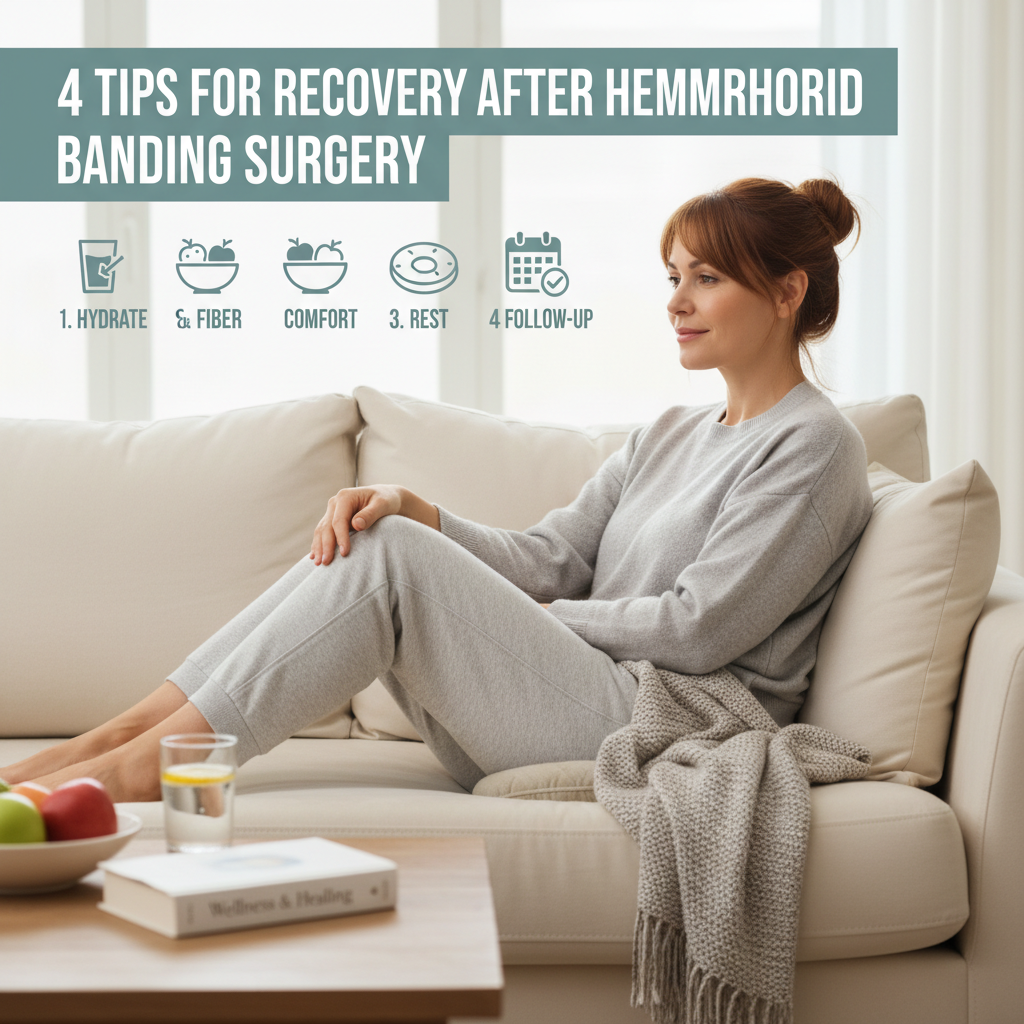
Recovery tips after Hemorrhoid banding surgery: practical, humane guidance
Think of these four tips as a practical extension of your overview—no drama, just doable steps that fit into real life as you ease back into a slower pace. You’re not alone in this healing arc, and small adjustments can add up to noticeable relief. The following sections expand on hydration, gentle movement, routine comfort, and paying attention to your body with a plan for follow-up, all while keeping a light, steady sense of humor.
1. Hydration, fiber, and stool softness
Hydration is the bedrock of stool softness and comfort after banding. Consistent fluids help keep stools pliable and easy to pass, reducing the need to strain during bathroom visits. Rather than gulping a heroic amount of water at once, aim for steady intake across the day. Pair fluids with gentle fiber to form a soft, formed stool. Start with approachable sources: oats, apples, berries, pears, cooked greens, yogurt, chia or flax, and beans introduced gradually. Soluble fiber (from oats, psyllium, chia) can help create a smoother passage, while insoluble fiber adds volume to help regulate movement. The goal is a stool that’s easy to move, not a rush-hour sprint to the bathroom. If you’re unsure about your fiber target, begin around 25–35 grams per day and adjust based on tolerance and bathroom comfort. Remember to listen to your body: too much fiber too soon can cause gas or bloating, which is annoying even if it isn’t dangerous. A clinician may suggest a gentle stool-softener if required to ease the transition, but only if they approve. Use a simple daily routine to maintain consistency—a glass of water with each meal, a fiber-rich snack, and a mindful approach to hydration in the evening.
Practical steps you can start today include: tracking daily water intake, adding a fiber source to two meals and one snack, and noting stool consistency for a week. If stools become overly soft or loose, cut back slightly on fiber and keep hydration steady. The objective is stable, comfortable stools that won’t force you to strain, allowing your healing tissues to knit without interference.
2. Move gently and strategically
Movement is not optional at this stage—it’s part of the healing contract. The aim is to stimulate circulation, support digestion, and keep the pelvic area from feeling stiff or neglected, all without pushing through pain. Start with short, doable sessions: a 10–15 minute walk after meals, a few minutes of seated leg lifts, and some light hip- and ankle-mix stretches. If you’re more comfortable seated, consider a few minutes of micro-mitts to keep blood flowing. Regular movement helps keep stools moving, reduces the risk of constipation, and signals your body that healing remains a priority, not an afterthought. Keep a flexible pace; if something feels uncomfortable, switch to a gentler version or pause for a breath. A supportive seat cushion can reduce pressure when you’re sitting for longer periods, and staying mindful of posture can prevent aggravation. The objective is sustainable activity rather than endurance training; you’re rebuilding a routine, not running a marathon around your couch.
Tips to stay on track: – Choose small, consistent windows of activity each day. – Avoid heavy lifting or tasks that require straining or sudden twists. – Integrate mobility work that targets hips and core without stressing the healing area. – Include gentle breathwork to relax and reset between activities. – End each day with a short stretch or slow, deep breaths to wind down. Consistency beats intensity, and comfort beats drama.
3. Comfort routines, rest, and predictable rhythms
Comfort is not a luxury; it’s a healing strategy. Establish routines that support soft stools, steady energy, and restful nights. Plan meals that are easy to digest and avoid extremes of spicy or acidic foods while you adjust—your gut will thank you. Structure your day with small blocks for meals, movement, light tasks, and rest. When restlessness hits, pause before standing, take a slow breath, and re-evaluate your position. Bedding, clothing, and bathroom hygiene all matter: choose breathable fabrics, loose about-the-waist clothing, and unscented wipes. A gentle bathroom routine—sitting comfortably, using mild wipes or a barrier cream, and avoiding aggressive rubbing—minimizes irritation and supports healing. Pain management should be guided by your clinician. If you’re using medications, select options that won’t irritate healing tissue and follow dosing recommendations. Regular hydration and fiber remain relevant here, and a routine lull in the evening can be very helpful for sleep quality. If you’re prescribed a stool-softener, use it as directed, and don’t substitute without medical advice. A predictable evening routine—dim lights, a light meal, and quiet time—can improve sleep quality.
Practical steps: – Create a simple, repeatable meal plan centered on soft, non-irritating foods. – Choose a feasible bedtime and wake-up schedule to improve sleep. – Use comfortable seating, a gentle pillow or cushion, and breathable underwear. – Prepare a short, non-strenuous wind-down routine to promote rest. – Track how you feel at the end of each day to notice patterns and adjust. The goal is a steady, comfortable rhythm that supports tissue repair and reduces the urge to overdo it.
4. Listen to your body and know when to seek help
Listening is a superpower in recovery. Your body will give signals; some are mild, others demand attention. The trick is to tell the difference between ordinary discomfort and warning signs that require medical input. If you experience sharp, worsening pain, fever, heavy bleeding, or swelling that won’t settle, contact your care team promptly. Early conversation with clinicians can prevent problems from escalating and help tailor guidance to your trajectory. In addition to red flags, monitor ongoing symptoms that don’t improve after several days or a week, or a sensation that healing has stalled. Keep a simple log of daily activities, meals, symptom changes, and any medications—bring this to your follow-up appointment to refine your plan. It’s okay to ask questions, and it’s okay to ask for help from friends or family when you need it. The recovery journey is not a solo mission; support networks can ease the load and keep you accountable to the gentle pace that healing requires. Finally, treat follow-up visits as opportunities to adjust the plan as your tissue gradually consolidates. You’re not behind; you’re in progress, and progress is progress, even when measured in small, steady steps.
What to expect as you move through recovery
After hemorrhoid banding, healing settles into a patient, incremental rhythm rather than a dramatic overnight shift. Understanding the typical trajectory can ease worry and help you tune in to your body’s signals. This section offers a practical map for the weeks ahead, anchored in comfort, safe movement, and steady progress toward normal routines. The goal remains simple: support healing while keeping you able to live your days with as little disruption as possible.
1. A practical recovery timeline
- First week: mild to moderate soreness or itching may come and go. Focus on hydration, fiber rich foods, gentle movement, and short bathroom breaks that minimize strain. Sit on a supportive cushion and avoid long periods of sitting that can compress the healing area.
- Second week: many people notice steadier bowel movements and less discomfort. Energy begins to return; continue the same hydration and fiber approach and gradually reintroduce light daily activities, avoiding anything that causes strain.
- By the third to fourth week: healing tissue is consolidating. Pain should continue to ease, and you may feel more confident with daily routines. Keep up with the plan for follow up and adhere to activity limits set by your clinician.
2. Safe pain management and comfort strategies
Discomfort should trend downward over time. Use medications as prescribed and avoid irritants or irritating products. Sitz baths, warm compresses, and breathable clothing can comfort the area. A firm but gentle seating cushion helps when you have to sit for longer periods. If you notice itching or irritation, try mild wipes and avoid rubbing the area aggressively. Report any unexpected changes to your care team.
3. Diet, hydration, and bathroom strategy
Keep hydration consistent and aim for a daily fiber range that suits you, typically around 25–35 grams per day as tolerated. Include soluble fiber from oats, fruits, and yogurt, and gradually add gentle insoluble fiber for bulk if your clinician approves. A regular meal and bathroom routine reduces the urge to strain. If stools become too soft or too firm, adjust fiber and fluids slowly and follow medical guidance on stool softeners if prescribed.
4. Red flags and timely help
Contact your care team promptly if you notice sharp or worsening pain, fever, heavy or soaking bleeding, persistent swelling, or foul smelling drainage. Maintain a simple symptom log and bring it to follow ups to tailor the plan as healing advances.
In the next section we’ll outline What’s Next and Closing, tying the recovery tips into your ongoing journey and practical final steps.
What’s Next: Fine-tuning your recovery and moving forward
Recovery after hemorrhoid banding doesn’t require dramatic overhauls or heroic feats. Think of this phase as fine-tuning your daily routine to support healing while you live your life. You’re not starting from scratch—you’re choosing steady, sensible steps that add up. A little humor helps when the pace slows, but the goal stays steady: less discomfort, more confidence, and a future you can trust to handle the everyday with ease.
Below is a practical map for what to do next. It’s not a rigid plan, just a gentle framework you can adapt as needed. You’ll find straightforward self-care, clear guidelines on when to check in with your clinician, and quick red-flag notes so you know when to seek urgent help. Let’s keep things simple, actionable, and yes, a touch encouraging.
- 1. Continue hydration and fiber as ongoing routines
Hydration and fiber aren’t one-and-done tips; they’re everyday habits. Maintain steady fluids across meals and pair them with skin-softening, gut-friendly fiber sources like oats, fruits, cooked vegetables, and yogurt if tolerated. Start with modest targets and adjust based on how your stools feel—soft, formed stools reduce straining and support healing without drama. If your clinician has recommended a stool-softener, use it as directed rather than improvising.
- 2. Move with intention, not intensity
Gentle movement is your healing ally. Aim for a daily 10–20 minute routine: a light walk after meals, seated leg lifts, and easy hip or ankle stretches. If certain positions feel off, switch to a gentler version and breathe through it. A small amount of movement daily beats a heroic sprint that leaves you sore. A supportive chair cushion and mindful posture can help you sit comfortably longer without irritating the healing area.
- 3. Build comfort into meals, seating, and bathroom habits
Plan simple meals that are easy on the gut and keep stool movement regular. Maintain predictable bathroom timings to avoid rushing or straining. Choose breathable clothing and soft upholstery to minimize pressure in the healing region. If you’re prescribed a stool-softener or other medications, follow your clinician’s instructions and don’t mix or match without guidance.
- 4. Prioritize sleep, stress relief, and small wins
Good sleep supports tissue repair, so establish a calming evening routine and create a comfortable sleep environment. Use brief relaxation techniques—deep breathing, light stretching, or a short mindfulness moment—to reduce tension before bed. Celebrate tiny improvements, such as a day with fewer discomfort spikes or a moment you chose rest over overdoing it.
When to see a doctor
- Persistent or worsening pain after a few days, or pain that increases with activity.
- Bleeding that is heavier than a light period and doesn’t settle with rest and fluids within 24–48 hours.
- New or worsening swelling that doesn’t improve with rest, or any fever that accompanies the symptoms.
- Signs of infection around the treated area, such as redness, warmth, or foul drainage.
Urgent scenarios
- Severe, sudden pain with faintness or dizziness, or symptoms that resemble a medical emergency.
- Bleeding soaking through multiple pads in an hour or shedding large clots, especially with accompanying lightheadedness.
- High fever, rapidly spreading swelling, or vomiting that prevents keeping fluids down.
- New or rapidly worsening signs that you cannot explain or control, warranting prompt medical evaluation.
In all cases, trust your instincts: if something feels off, it’s worth checking with your care team. You’re not alone in this—progress may be gradual, but it’s real, and you’re building a foundation for comfortable days ahead. You’ve got the right tools and the right mindset to keep moving forward, one small, steady step at a time.