
Prolapsed Hemorrhoids: that awkward thing back there
12.5% of the study participants had prolapsed hemorrhoids (prolapsed and irreducible).
Prolapsed Hemorrhoids: that awkward thing back there is a topic most people would rather pretend doesn’t exist, and that’s okay because embarrassment is a universal human feature—especially when the subject involves anatomy you rarely discuss at dinner. Yet the awkwardness dims quickly when you realize this is a common, treatable condition. Think of it as a weather forecast for your bottom: not fatal, just a bit uncomfortable after a long day of sitting, lifting, or ignoring the urge to move. The body does its best work in the pelvis, and sometimes the equipment doesn’t cooperate as neatly as we’d like. The important thing is that you’re not alone: many people experience hemorrhoidal symptoms at some point in life, and healthcare providers deal with this routinely, offering practical steps that can restore comfort and daily activity.
There’s a reassuring point here: hemorrhoids are a medical normality, not a badge of shame. Estimates vary, but up to a third of adults will encounter hemorrhoidal symptoms at some stage, and prolapsed hemorrhoids are a recognized variant of that spectrum. If you notice a lump after a bowel movement, itchiness, or a sense of fullness that won’t quit, you’re not imagining things. Those sensations can be unsettling, but they are common and typically manageable with straightforward care. The aim of this page is to explain what’s happening in plain language, outline practical options, and remind you that a proper physician can confirm the diagnosis and tailor a plan to your situation.
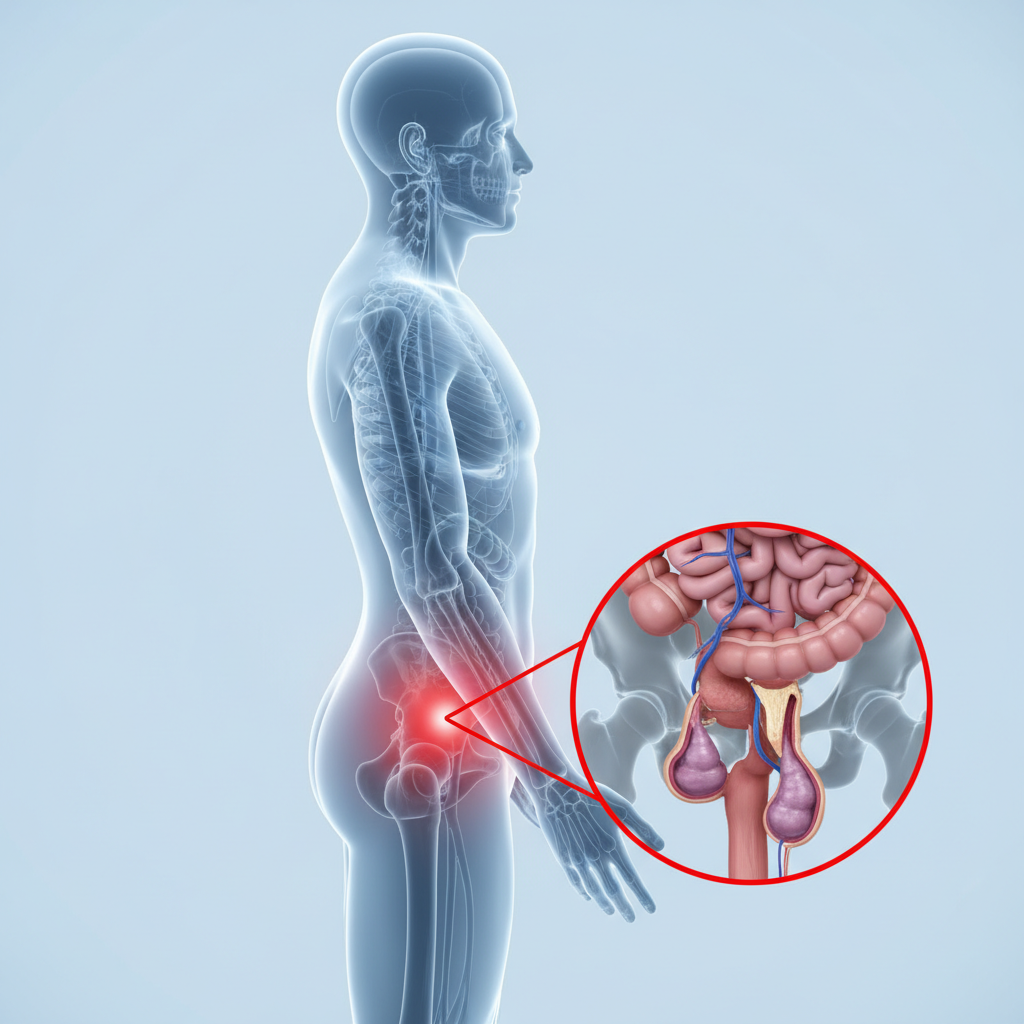
Symptoms & Causes
Many people notice a soft lump near the anus that may itch or ache, with bleeding after bowel movements and a persistent sense of discomfort or pressure. If the protruding tissue is visible, you might be able to touch or see it when you wipe, or you may feel a lump that retracts on its own. The underlying mechanism is swollen internal veins in the rectal area that bulge through weakened tissue and extend beyond the anal canal, particularly during bowel movements or straining.
Risk Factors
Risk factors include pregnancy—which increases pelvic pressure—, constipation or straining during bowel movements, and aging, which can loosen the supportive tissue. A family history of hemorrhoids can also raise risk, along with a generally sedentary lifestyle and heavy lifting that raises pelvic pressure. This combination doesn’t imply fault; it just reflects how our bodies age and handle pressure.
Table of Contents
What counts as a concern with prolapsed hemorrhoids?
In most cases, prolapsed hemorrhoids are not a sign of something dangerous and do not require emergency care. They are common, treatable conditions that respond well to basic self-care and medical options when needed.
Some studies indicate that a minority of cases can be more persistent or complicated. For example, research has shown that about 12.5% of participants with hemorrhoidal disease have prolapsed hemorrhoids that are irreducible, meaning they cannot be pushed back in easily and may require medical treatment. This statistic doesn’t imply immediate danger, but it does suggest that ongoing symptoms should be evaluated so a care plan can be tailored to you.
Seek medical evaluation promptly if you experience heavy or continuous bleeding, sudden severe pain with a lump that cannot be reduced, fever, or signs of infection, or if symptoms persist despite home care for several weeks. These signs warrant a clinician’s assessment to rule out other conditions and to determine the best course of action.
For many people, effective management starts with simple at-home measures: a high-fiber diet with adequate fluids to keep stools soft, avoiding straining and long periods of sitting, and gentle sitz baths or approved topical treatments to relieve irritation. Regular activity supports bowel routine, and weight management can reduce pelvic pressure. If symptoms persist or recur, a clinician may discuss additional options, including non-surgical options that can be performed in the office or, in some cases, surgical intervention, to restore comfort and function.
Beyond prolapse: common mimics of rectal symptoms
It’s common for prolapsed hemorrhoid symptoms to overlap with other anorectal conditions such as anal fissures, skin tags around the anus, mucosal prolapse, rectal polyps, or infections. Because these issues can cause bleeding, itching, or a lump, distinguishing them often requires a focused exam and history rather than relying on a single symptom alone.
Common mimics to consider
Anal fissures typically cause sharp pain during bowel movements and bright red bleeding, which can be mistaken for hemorrhoidal bleeding. A skin tag near the anal opening may look like a prolapsed tissue but behaves differently during bowel movements. Mucosal prolapse, where only the lining slips out, can resemble a prolapsed hemorrhoid but may retract differently and respond to different treatments. Less commonly, rectal polyps or benign tumors can present as a lump or fullness. Infections or inflammatory conditions, such as proctitis or dermatitis around the anal area, may also produce itching, swelling, and discharge that mimic hemorrhoidal irritation.
When symptoms strongly suggest something other than prolapsed hemorrhoids—such as persistent or heavy bleeding, severe or increasing pain, fever, a lump that cannot be reduced, or a change in bowel habits that lasts weeks—a clinician should perform an evaluation to rule out other conditions and tailor the management accordingly.
During evaluation, a healthcare provider will review your symptom timeline, perform a physical exam, and may order tests or refer you to a specialist if needed. Treatment decisions then focus on the actual cause and can include medications, lifestyle adjustments, and, in some cases, procedures appropriate to the diagnosis. The key message remains: overlapping symptoms are common, and an informed assessment helps ensure you receive the right care for the right problem.
Inside the body: what happens when hemorrhoids prolapse
Prolapsed hemorrhoids happen when the internal cushions in the rectum swell and push through the anal canal. The protruding tissue may appear as a soft lump after a bowel movement and can cause discomfort, itching, and sometimes bleeding. Swelling is driven by increased venous pressure from constipation, straining, pregnancy, aging, or prolonged sitting, and the tissue may retract on its own or require gentle repositioning. Over time, the impulses to defecate pressure the area, which can perpetuate irritation.
Stages and types of prolapsed hemorrhoids
Prolapsed hemorrhoids are usually internal cushions that have protruded through the anal opening. They are described by stages I–IV and by the distinction between internal prolapsing and external hemorrhoids. Understanding these categories helps guide treatment and expectations.
Internal prolapsing hemorrhoids
The internal cushions can protrude to varying degrees and are graded by reducibility and extent of prolapse:
- Grade I — Prolapse remains inside the anal canal; symptoms are usually mild.
- Grade II — Prolapse extends outside with defecation or strain but reduces spontaneously.
- Grade III — Prolapsed tissue must be manually reduced to return inside.
- Grade IV — Prolapsed tissue cannot be reduced and stays outside; often more bothersome and may require medical care.
External hemorrhoids
External hemorrhoids occur beneath the skin around the anus and are not graded by prolapse stage; they can coexist with internal prolapse and may become painful if thrombosed or irritated.
- Thrombosed external hemorrhoid — Sudden, sharp pain with a lump near the anal opening; may require drainage or targeted therapy.
- Non-thrombosed external hemorrhoids — Swelling and itching around the anus that persists despite basic care.
Practical home steps to ease prolapsed hemorrhoids
Start with immediate, practical moves to ease itching, swelling, and discomfort while you work toward longer-term relief. The goal is to minimize irritation, soften stools, and reduce pelvic pressure, so focus on gentle routines you can perform today: keep stools soft through fiber and fluids, avoid straining, and use soothing measures like sitz baths and cold packs as needed. A simple, clean approach to hygiene and targeted topical care can also lower irritation without masking symptoms.
- Increase fiber intake with fruits, vegetables, and whole grains and drink water to keep stools soft.
- Move regularly and avoid prolonged sitting or heavy lifting to reduce pelvic pressure.
- Take a warm sitz bath for 15–20 minutes, 2–3 times daily, to soothe swelling and itching.
- Apply a cold pack to the external area for 5–10 minutes after activity or when swelling is noticeable.
- Use gentle cleansing methods after bowel movements (unscented, alcohol-free wipes) and avoid irritants.
- Consider OTC hemorrhoid products (creams, ointments, or wipes) as directed to relieve itching and discomfort.
- Use a cushioned seat or donut pillow to reduce pressure while sitting for long periods.
- Avoid straining during bowel movements; if constipation is a problem, discuss safe stool-softening strategies with a clinician.
- Do not attempt to push the prolapsed tissue back in if it does not reduce easily; seek medical advice promptly.
- Seek medical care promptly for heavy bleeding, severe pain, fever, or a lump that cannot be reduced or lasts beyond a few weeks.
- If symptoms persist, ask your clinician about non-surgical options that can be performed in the office, such as rubber band ligation or sclerotherapy, which are non-invasive compared to surgery.
Most people find relief by combining these home measures with professional guidance; remember, a clinician can tailor advice to your situation and discuss when more advanced, non-surgical procedures may help before considering surgery.
Advancing care for prolapsed hemorrhoids
When prolapsed hemorrhoids don’t settle with home care or keep coming back, it’s a signal that more advanced evaluation and options may be needed. Persistent symptoms, recurrent prolapse, or heavy bleeding can indicate a level of disease where simple lifestyle tweaks aren’t enough, and a clinician may guide you through a stepwise treatment plan.
Diagnostics and assessment
Evaluation typically starts with your history and a focused physical exam, including a digital rectal examination and inspection of the anal area. Anoscopy or proctoscopy may be used to view internal piles, while flexible sigmoidoscopy or colonoscopy is considered if there’s ongoing bleeding, older age, or risk factors for other bowel conditions. The goal is to determine the extent of prolapse, rule out other causes of bleeding or pain, and tailor treatment to stage and overall health.
Non-surgical, office-based options
For many patients, several non-surgical approaches remain effective even when self-care has not fully resolved symptoms. These options are typically performed in a clinic or outpatient setting and aim to reduce prolapse, control bleeding, and relieve symptoms:
- Rubber band ligation — a quick office procedure that places a small band around the base of a prolapsed internal hemorrhoid to cut off its blood supply, causing it to wither away over days to weeks.
- Infrared coagulation (IRC) — uses focused infrared light to collapse or scar the vessels feeding the hemorrhoid.
- Sclerotherapy — injection of a chemical that shrinks the hemorrhoid.
- Topical treatments and supportive care — corticosteroid or anesthetic creams, stool softeners, sitz baths, and continued fiber and fluids to minimize irritation and straining.
When surgical interventions are considered
If prolapse is advanced (for example, grade III–IV) or if symptoms persist despite non-surgical therapy, a surgeon or colorectal specialist may discuss surgical options. The decision depends on prolapse degree, bleeding, pain, overall health, and patient preference. In some cases, anatomy and lifestyle factors steer clinicians toward one approach over another, with the aim of durable relief and minimal recurrence.
4 Surgical treatments for prolapsed hemorrhoids
- Hemorrhoidectomy (open or closed) — surgical removal of prolapsed tissue, typically providing durable relief, especially for large or recurrent prolapse.
- Stapled hemorrhoidopexy (PPH) — repositioning and securing the hemorrhoidal tissue with a stapler to reduce prolapse and bleeding, often with quicker initial recovery.
- Transanal hemorrhoidal dearterialization (THD) with Doppler — targeted ligation of feeding arteries guided by Doppler to shrink prolapsing hemorrhoids, sometimes combined with mucopexy.
- Open or closed hemorrhoidectomy — traditional excisional surgery to remove prolapsed tissue when other methods aren’t sufficient.
What to expect during a clinic visit for prolapsed hemorrhoids
A visit for prolapsed hemorrhoids begins with a clinician listening to your symptom story and performing a focused examination to confirm the diagnosis, assess stage, and rule out other conditions. Expect to discuss when symptoms started, how they behave, any bleeding, pain, itching, changes with bowel movements, and your medical history and current medicines. Your clinician will also consider how your daily life is affected and what treatments you’ve tried at home.
- History questions — The clinician will ask about onset and duration of symptoms, whether the prolapse reduces spontaneously or only with effort, the frequency and amount of bleeding, associated pain or itching, bowel habits (constipation or diarrhea), pregnancy history, prior hemorrhoid treatments, medications (including anticoagulants), and how symptoms affect daily activities.
- Physical examination — A perianal inspection is performed; a digital rectal examination (DRE) assesses tone and ability to reduce prolapse; the clinician will look for external hemorrhoids, fissures, skin tags, or signs of infection. The clinician may gently palpate or manipulate the prolapsed tissue to assess reducibility and reduction ease.
- Specialized viewing tests — Anoscopy or proctoscopy is used to visualize internal hemorrhoids. In some cases, flexible sigmoidoscopy or colonoscopy may be considered if there is ongoing bleeding, age-related risk, or other bowel concerns to rule out alternative causes of symptoms.
- Laboratory tests — A complete blood count (CBC) may be ordered if there is significant bleeding or concern for anemia; stool testing for occult blood may be used in selected cases; further tests are guided by symptoms and overall health.
- Assessment and planning — The clinician will evaluate the prolapse grade (I–IV) and the presence of any external hemorrhoids or mimics, and discuss a management plan based on stage, symptoms, and patient preferences. Red flags like heavy bleeding, fever, or severe pain prompt urgent review.
Based on these findings, you may be offered lifestyle changes, topical therapies, and, if appropriate, office-based procedures or referrals for surgical options. The plan will be tailored to your stage and health needs, with clear explanations of expected results and recovery times.
Your next steps with prolapsed hemorrhoids
Final decision map: this closing guidance helps you decide what to do next based on how your prolapsed hemorrhoids behave. It’s written to be practical, neutral, and reassuring so you can act with confidence rather than anxiety.
- Mild and reducible prolapse (often Grade I–II) — You can usually manage at home with ongoing self-care:
- Keep stools soft with dietary fiber, fluids, and gentle activity.
- Avoid straining, long periods of sitting, and heavy lifting.
- Use sitz baths, cold packs for external symptoms, and approved topical products as directed.
- Monitor symptoms and schedule a routine follow-up if there is no improvement after 4–6 weeks or if episodes recur frequently.
- Persistent or recurrent symptoms (Grade II–III) — A clinician can offer office-based options to reduce prolapse and bleeding (e.g., rubber band ligation, infrared coagulation, or sclerotherapy). Discuss a plan to prevent recurrence and consider a referral if symptoms persist despite initial treatment.
- Severe symptoms or red flags — Seek urgent medical evaluation if you have heavy or continuous bleeding, severe, unrelenting pain, fever, signs of infection, or a lump that cannot be reduced. If you’re unsure, contact a clinician or an urgent care center promptly.
- Planning and follow-up — Bring a symptom diary to appointments, including onset, triggers, responses to therapies, and any side effects. Ask about expected timelines for relief, recovery, and the potential risks and benefits of procedures, so you can make an informed choice aligned with your health goals.