
Anal Skin Tags: Sort of like a price tag but not worth it
75% of women experience anal skin tags at some point in their life.
Anal skin tags can feel like the awkward cousin nobody invites to the party—small, easy to miss, and a bit uncomfortable to bring up. If you’ve noticed a tiny lump or flap near the anal area, you’re not alone. It’s one of those topics people whisper about, then quietly move on, which is exactly why a calm, friendly approach matters. The phrase Anal Skin Tags: Sort of like a price tag but not worth it captures the mood: there’s a label on your body, but it doesn’t change the product, and it certainly isn’t your identity. In truth, these little tags show up far more often than you might think and a large share of adults will encounter them at some point in life. It’s awkward to talk about, but acknowledging it openly is the first step toward relief.
To understand what’s going on, think of a skin tag as a tiny piece of extra skin that sticks around after irritation or inflammation heals. Anal skin tags are usually soft, flesh-colored growths that sit at the edge of the anal canal or just outside it and can feel like a little nub or flapped skin. They’re typically painless and often don’t cause trouble unless they snag on clothing, rub during wiping, or become irritated by movement. The most common root causes are friction, irritation from hemorrhoids or fissures, sometimes nested in longer healing processes. Importantly, they’re generally benign, not cancerous, and a clinician can confirm whether what you see is indeed a skin tag or something that needs closer inspection. If anxiety starts to creep in, remember: a quick, professional evaluation can put those worries in perspective.
Symptoms & Causes
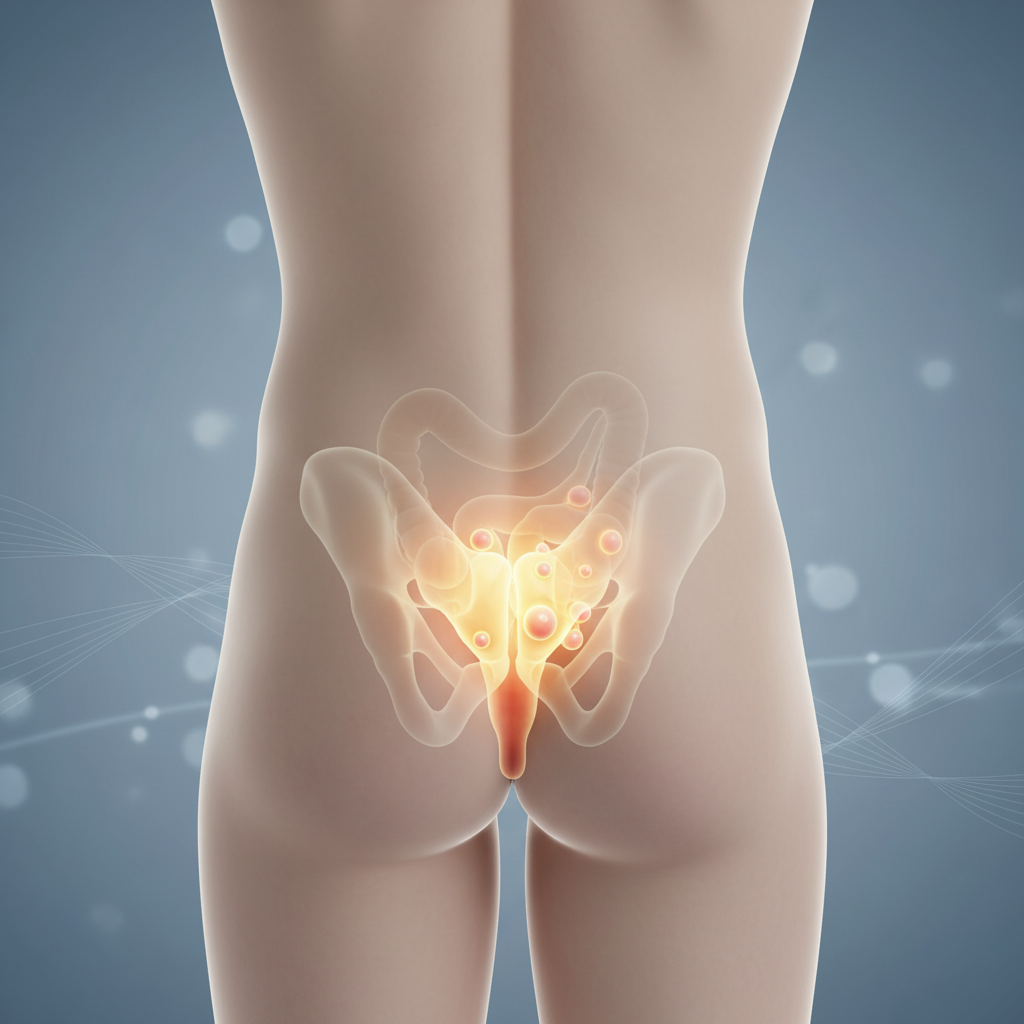
Most people notice a small bump or a skin-colored tag near the anus, sometimes with itching or irritation when clothing rubs or during wiping. If you can see or touch it, you’ll recognize it as a soft, flesh-colored piece of skin that feels different from surrounding tissue. The mechanism is simple: persistent irritation or healed inflammation can leave behind extra skin that becomes a tag.
Risk Factors
Risk factors include a history of hemorrhoids, ongoing friction or irritation from stool or clothing, aging, and a higher body weight, all of which can make extra skin more likely to linger.
Table of Contents
Anal Skin Tags: When to worry and what's normal
In most cases, anal skin tags are not a cause for serious concern. They are typically benign, don’t indicate cancer, and many people live with them without needing treatment. A quick examination by a clinician is usually all that’s needed to confirm the diagnosis and reassure you that there’s no hidden problem.
Anal skin tags are quite common. Some estimates suggest that around three-quarters (about 75%) of women experience an anal skin tag at some point, though men can be affected as well. This prevalence reflects that tags are a common, non-emergency finding rather than a sign of a serious illness.
That said, certain signs warrant medical advice. If a tag grows, becomes painful, bleeds, changes color, or you notice new growth or persistent itching, a professional evaluation is recommended to rule out other conditions and to discuss options for relief or removal if desired.
A clinician will perform a physical examination of the area and may check for accompanying hemorrhoids or fissures. In some cases, they can perform a minor removal if the tag is bothersome, though many people simply leave it alone if it isn’t causing symptoms.
Could This Anal Skin Tag Be Something Else?
Symptoms around the anal area can overlap with several conditions, so a small lump isn’t automatically a skin tag. Hemorrhoids, fissures, dermatitis, infections, or other lesions can feel similar on a quick glance. Because appearances can be misleading, a careful clinical exam is the safest way to distinguish a harmless tag from a more concerning issue and to put your worries to rest.
Common mimics to know
internal hemorrhoids, whether external, are swollen blood vessels near the anal canal. External hemorrhoids can present as lumps at the opening that might resemble a skin tag, while internal hemorrhoids may be felt more during wiping or stool passage and often have different sensations.
Fissures are small tears in the anal lining that can cause sharp pain with bowel movements and sometimes bright bleeding. They usually feel like a thin, painful line rather than a soft tag, but irritation around the area can blur the line between conditions when inflammation is present.
Rectal infections, dermatitis, or skin irritation can cause redness, swelling, itching, or discharge that can mimic a tag, especially if the skin around the area is irritated for a long time.
Other growths, such as warts or benign skin lesions, may look similar to a skin tag. Rarely, changes in color, size, or texture can suggest another diagnosis. Because the swimsuit area is delicate and different conditions share some features, a clinician’s examination is the best way to tell them apart.
When to seek medical advice
If you notice a lump that grows, changes color, bleeds, or becomes painful, or if you have persistent itching or discharge, schedule an evaluation. See a clinician promptly if you have a fever, severe swelling, or if you have a history of skin cancer or immunosuppression, since the stakes are higher for unusual lesions.
A clinician will perform a physical exam of the area and may inspect surrounding tissue to check for hemorrhoids, fissures, or signs of infection. In some cases, they can verify the diagnosis by observation and, if needed, perform minor removal or biopsy to rule out other conditions. If a skin tag is confirmed and it is bothersome, options range from simple removal to ongoing monitoring, but self-removal or home remedies are not recommended.
Bottom line: While most anal skin tags are benign and pose no serious risk, overlapping symptoms mean you should not assume what you feel is nothing until a professional confirms it.
Inside your body: how anal skin tags form
Anal skin tags form when skin in the anal region experiences irritation or inflammation and then heals with a little extra tissue. Repeated friction from stool, wiping, moisture, or rubbing can stretch the skin; as healing occurs, a small flap of extra skin remains, creating a soft, flesh-colored tag at the edge of the anal opening. Most tags are benign and painless, reflecting a history of irritation more than a medical emergency.
Key mechanisms
Various factors contribute to tag formation, including persistent friction, prior fissures or hemorrhoids that heal with extra tissue, and aging skin that is more prone to developing loose folds. The tags themselves are typically noncancerous and do not spread; they simply mark sites where the skin has stretched and then healed with extra tissue.
Types and stages of anal skin tags
Anal skin tags come in several forms and can develop through a few common progression patterns. Knowing the differences helps you describe what you feel to a clinician and choose the right approach.
Types
- Pedunculated tag — attached by a narrow stalk, more mobile and noticeable when wiping or moving.
- Sessile tag — flat-based, broader in contact with surrounding skin, often more stable.
- Post-inflammatory tag — forms after healing from irritation such as fissures or hemorrhoids, reflecting prior inflammation.
- Perianal mucosal tag — located at the mucocutaneous junction near the anal opening, may appear lighter in color.
Stages
- Stage 1 – Early/Developing — a tiny tag forms after a period of irritation and healing, often barely noticeable.
- Stage 2 – Established — the tag is more defined but still soft and painless, staying the same size for a while.
- Stage 3 – Irritated or symptomatic — friction or rubbing makes it itchy or tender and may cause irritation with wiping.
- Stage 4 – Persistent or concerning — if it enlarges, bleeds, or there’s persistent change, a clinician should evaluate and discuss removal options.
6 practical tips for early relief from anal skin tags
Start with practical, low-risk steps you can do today to ease discomfort and reduce irritation. Gentle cleansing after bowel movements, patting dry instead of rubbing, and wearing breathable cotton underwear help prevent friction. A light barrier layer of petrolatum or zinc oxide after washing can shield the skin, and a warm sitz bath (about 10 to 15 minutes) a couple of times a day can calm itching and soreness. If you have hemorrhoids or ongoing irritation, dietary fiber, avoiding straining, and staying hydrated can reduce toilet time and rubbing around the area.
- Keep the area clean and dry after bowel movements. Use warm water to rinse, avoid harsh soaps or scented wipes, and pat dry gently with a clean towel. If you prefer wipes, choose unscented, alcohol-free options and avoid excessive rubbing.
- Apply a protective barrier after drying. A thin layer of petrolatum or zinc oxide helps shield the skin from moisture and friction, especially if you’re active or sit for long periods. Reapply as needed, but avoid overdoing it near mucous membranes.
- Try a regular sitz bath. Soak in warm water for 10 to 15 minutes, 2–3 times daily, particularly after bowel movements or before bedtime. This helps soothe irritation and reduces itching without harsh chemicals.
- Choose clothing and footwear that minimize friction. Opt for loose-fitting bottoms, breathable cotton underwear, and avoid tight jeans or active wear that rubs the anal area. Keep the area dry between baths or washes.
- Support comfortable bowel movements. Increase dietary fiber (fruits, vegetables, whole grains) to soften stool, dietary fiber, avoiding straining, and staying hydrated can reduce toilet time and rubbing around the area.
- Know when to seek medical advice. If the tag becomes painful, swells, bleeds, changes color, or you notice new growth, make an appointment. A clinician can confirm the diagnosis and discuss safe removal options if desired, and rule out other conditions.
Bottom line: these home-based steps can reduce irritation and improve comfort, but they do not eliminate skin tags. A medical evaluation is the best path if symptoms persist or you’re considering removal options in the future.
When anal skin tags need professional evaluation
For severe or persistent cases, self-care may no longer be enough. Tags that grow, become painful, bleed, or change color, or those that recur after simple measures, warrant a professional evaluation. A clinician can confirm the diagnosis, rule out other conditions, and map out appropriate next steps based on the tag’s size, location, and symptoms.
Diagnostics and evaluation
During a visit, a clinician will perform a targeted physical exam of the anal area and nearby tissue. They may inspect for hemorrhoids, fissures, infections, or other lesions. In some cases, they may use an anoscope or conduct a minimal biopsy to ensure the growth is a benign skin tag and not something requiring different treatment. If there are multiple tags or unusual features (color change, rapid growth, bleeding), imaging or a biopsy can help rule out other conditions. The goal is a precise diagnosis with a clear plan.
Non-invasive management and when to consider surgery
Even with severe symptoms, some people opt for non-invasive steps first or alongside observation. This includes continuing to reduce irritation, treating associated hemorrhoids or fissures, and using barrier creams to protect the skin. Medicinal therapies may help with dermatitis or excessive itching but do not typically remove the tag itself. If symptoms persist despite optimized non-surgical care, or if the tag imposes functional or cosmetic concerns, surgical options are discussed as a next step.
4 Surgical treatments for anal skin tags
- Simple excision under local anesthesia: A minor surgical removal where the tag is cut away and the base is closed or left to heal. This is the most common approach for small to medium tags and usually has a quick recovery.
- Snip excision of the stalk (pedunculated tag): For tags on a narrow stalk, the tag is snipped off at the base with fine scissors, often with light cautery to seal blood vessels.
- Shave removal with cautery: The tag is shaved down to the level of surrounding skin, and bleeding is controlled with cautery; this is useful for flatter, broader tags.
- Laser or CO2 laser ablation: A laser can precisely remove the tag with minimal surrounding tissue disruption and may offer reduced recovery time for some patients.
After any procedure, clinicians will typically provide wound care instructions and monitor for signs of infection or recurrence. Most patients recover quickly, but the specific approach depends on tag type, location, and patient factors. If you’re evaluating options, a clinician/surgeon will explain benefits, risks, and what to expect during healing, and can help you decide whether removal is right for you.
In the next section, you’ll meet the clinicians who evaluate and manage these conditions, from primary care to colorectal specialists, and learn what to expect during a professional assessment.
What to expect at a clinic visit for anal skin tags
During a clinical visit for anal skin tags, the process is typically straightforward and respectful, focused on confirming the diagnosis, ruling out other conditions, and outlining next steps. The clinician will review your symptoms, examine the area, and discuss treatment options if the tag is bothersome or changing.
What the visit will involve includes:
- Questions about symptoms and history: onset, changes in size or color, itching, pain, bleeding with wiping, irritation from clothing, and any history of hemorrhoids, fissures, infections, or skin conditions in the area.
- Medical and personal history: prior anorectal problems, surgeries, inflammatory bowel disease, immune status, current medications, and any allergies.
- Physical examination: external inspection of the anal region, measurement of the tag’s size and base, and evaluation for nearby hemorrhoids or fissures; gentle palpation to assess mobility and tenderness.
- Specialized checks if needed: digital rectal examination (DRE) to assess surrounding tissues and an anoscopic or scope-based view if internal hemorrhoids or other lesions are suspected.
- Diagnostic tests:
- Biopsy if the lesion looks unusual, changes color, or there is uncertainty about the diagnosis.
- Laboratory tests only if infection, dermatitis, or another skin condition is suspected.
- Assessing severity: the clinician notes tag size, location, mobility, presence of irritation, bleeding, or rapid change to guide whether observation or removal is recommended.
- Delivery of a management plan: discussion of reassurance if benign, conservative care if asymptomatic, and removal options if symptoms persist or the patient desires treatment. A plan may be formed in the same visit or via a short follow-up.
Preparation and expectations: you can help the visit go smoothly by bringing a list of current medications, any relevant medical history, and questions you want answered. Most evaluations are brief, respectful, and result in a clear plan within the same day or after a short follow-up if needed.
Next steps for anal skin tags: when to wait, treat, or seek care
This is the final decision step: use the guidance below to choose your next move with clarity and confidence. Your actions should match how bothersome the tag is, how it behaves, and how you feel about it.
- Removal options are typically tailored to the tag type, size, and symptoms. Common surgical approaches include simple excision, snip excision for pedunculated tags, shave removal with cautery, or laser techniques. Your clinician will discuss benefits, risks, and the expected healing course, helping you decide if removal is right for you.
- Mild/observational approach (watchful waiting)
Tag is small, painless, not changing in size or color. Continue good hygiene, keep the area dry, wear breathable underwear, and avoid irritation from wiping or clothing. If you don’t have accompanying symptoms, you can monitor for a few weeks to months. Consider scheduling a routine check with your clinician to confirm it’s a tag and not something else, especially if this is a new finding. - Medical evaluation recommended (moderate symptoms or concern)
If the tag itches, rubs, bleeds, enlarges, changes color, or you notice new growth, book an appointment. A clinician can confirm the diagnosis, assess for hemorrhoids or fissures, and discuss removal options if desired. Non-surgical measures to reduce irritation can continue while you plan or await care. - Urgent care warranted (sudden or severe signs)
If you have severe bleeding, severe pain, fever, swelling, rapid growth, or signs of infection, seek urgent care or emergency services. Do not attempt home removal in this scenario; prompt professional evaluation is important. - Look-alikes and reassurance
Most changes require professional confirmation. If anything looks unusual (color change, year-to-year growth, or persistent symptoms), a biopsy or targeted exam may be recommended to rule out other conditions.
Removal options are typically tailored to the tag type, size, and symptoms. Common surgical approaches include simple excision, snip excision for pedunculated tags, shave removal with cautery, or laser techniques. Your clinician will discuss benefits, risks, and the expected healing course, helping you decide whether removal is right for you.