
Anal Fistula: Where there’s a hole, there’s a way
80% healing rate for simple cryptoglandular anal fistulas after sphincter-sparing surgery (e.g., fistulotomy).
Anal Fistula: Where there’s a hole, there’s a way might read like a bold tagline, but it’s a practical reminder that some health puzzles are stubborn, not catastrophic. If you notice discomfort near the anal area or a small, persistent seepage, you’re not imagining a medical mystery plot—you’re dealing with a common, manageable issue. The topic can feel awkward—think of it as the awkward cousin at family dinner—but that hesitation fades once you know you’re not alone. In fact, many people experience this, and most cases respond well to a thoughtful plan that respects your pace and dignity. You don’t have to pretend this is something you’ll simply “tough out.” Medical teams understand the mix of curiosity, concern, and sometimes embarrassment, and they’re trained to approach it with empathy and clear explanations. By keeping fear in its place and focusing on practical steps, you empower yourself to seek care without turning a routine health issue into a crisis. So breathe, stay curious, and remember that information is a powerful antidote to anxiety.
Think of anal fistula as a tiny, stubborn tunnel that starts inside the anal canal after an infection or abscess. Most fistulas arise when an inflamed anal gland becomes infected and the infection finds a crack to the surface, creating a channel that can drain and irritate. The result is a persistent pathway that may produce drainage, intermittent pain, or a visible opening near the anus. This is not a personal failing or a sign of poor hygiene; it’s a medical condition that can be treated effectively when identified. Understanding that helps reduce the awkwardness and replaces fear with a plan.
So what is it, exactly? Anal Fistula is an abnormal connection between the anal canal and the skin around the anus. This small fistulous tract commonly forms after an anal abscess that hasn’t fully healed, leaving a persistent tunnel that can drain. In plain terms, it’s a pathway that invites fluid leakage and discomfort until a clinician helps seal it—because while the cause is medical, the fix is within reach when you seek care.
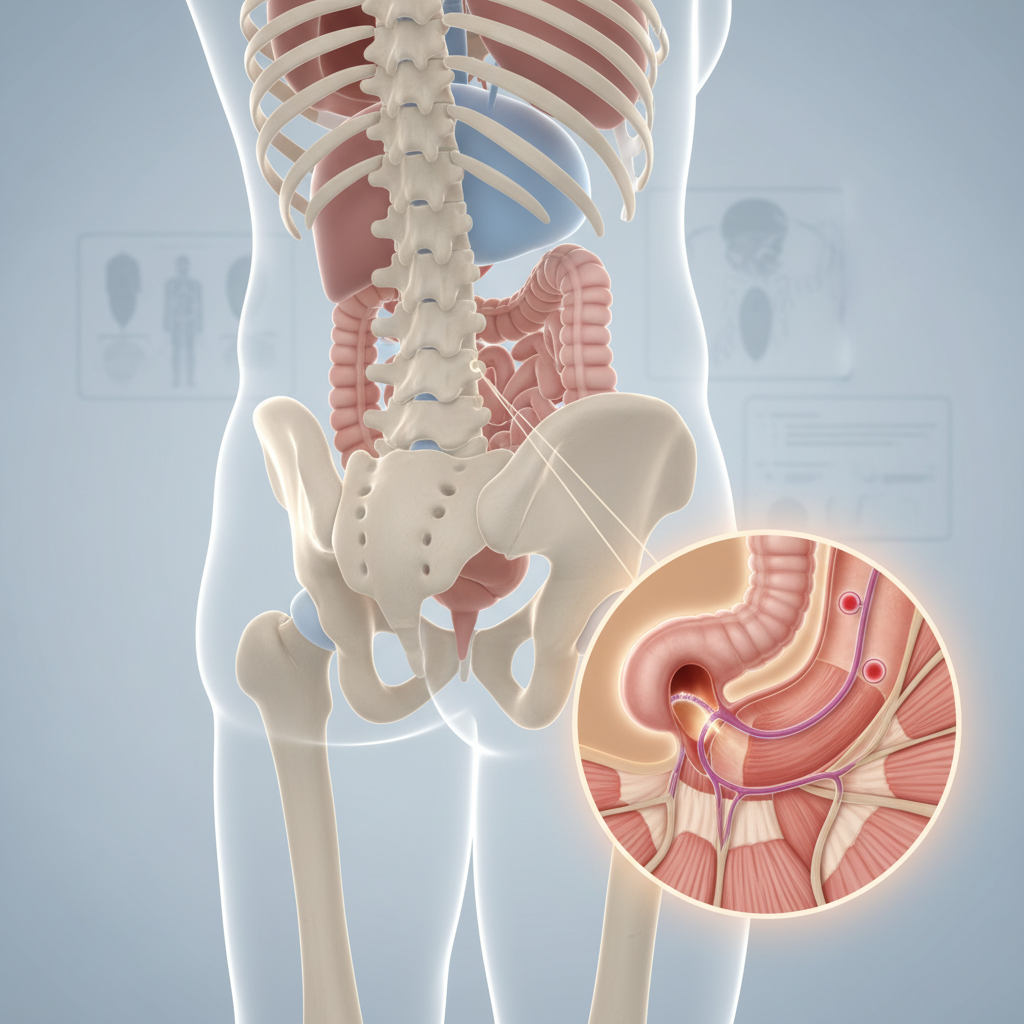
Symptoms & Causes
Common symptoms include drainage from the anal area, along with pain or a dull ache around the site, and occasional itching. You might notice a small opening or swelling near the anus or see discharge on underwear after a bowel movement. These symptoms usually point to a persistent infection that has created a small tunnel from inside the canal to the skin, the underlying issue behind the discomfort.
Risk Factors
People with a history of perianal abscess, Crohn’s disease, diabetes, or recent anal surgery may be more likely to develop an anal fistula. That said, risk is about likelihood, not blame—most people without those factors can still be affected, and early care helps keep symptoms manageable.
Table of Contents
When to worry about an anal fistula and how it's treated
In most cases, an anal fistula is not an emergency, but it is not something you should ignore. It usually requires evaluation by a clinician to confirm the diagnosis and to map the tract so that treatment can be planned. Prompt care helps prevent recurrent infections, skin irritation, and ongoing drainage, and it improves the chances of a durable cure.
Most people who seek care can expect a plan that aims to control drainage, clear infection, and seal the fistulous tract while preserving continence. For simple, cryptoglandular fistulas, outcomes are favorable when a sphincter-sparing approach is used; studies report about an 80% healing rate after such procedures. However, complexity matters: fistulas that involve a larger portion of the sphincter or have multiple tracts may require staged or specialized techniques and careful follow-up to reduce the risk of recurrence.
Urgent concerns include fever, spreading redness or swelling, severe or rapidly increasing pain, or the appearance of a new, large abscess—these signs warrant prompt medical evaluation. Chronic conditions such as Crohn’s disease or diabetes, recent anal surgery, or immune suppression can raise the likelihood of complications and may influence the chosen treatment strategy; in these cases, care is often coordinated between gastroenterology and surgery teams.
Diagnosis commonly involves a physical exam and imaging to map the tract, with MRI or endoanal ultrasound helping define the course of the fistula. Treatment is tailored to the tract’s location and complexity, with the aim of eradicating the fistula while protecting the anal sphincter. Options range from fistulotomy for straightforward cases to seton-based approaches for more complex fistulas, and in some situations, newer sphincter-sparing techniques or medical management for underlying conditions may be appropriate.
Other conditions that mimic anal fistula symptoms
While anal fistula is a named culprit, several other conditions can produce similar symptoms such as drainage, itching, or intermittent pain near the anus. This overlap means that simply noticing discharge or a discomfort doesn’t automatically label you with a fistula, and it’s reasonable to seek a professional evaluation to sort out the cause.
Common mimics include hemorrhoids, which can bleed or drain and feel uncomfortable; anal fissures, which cause painful bowel movements and sharp pain rather than persistent drainage; perianal abscesses that have not fully resolved; skin infections around the opening; and skin tags or cysts that can look like tiny tunnels. Less commonly, inflammatory conditions like Crohn’s disease or infections can present with fistula-like symptoms. A clinician considers the pattern, location of drainage, and associated features to differentiate among these possibilities.
Inside the body: how an anal fistula forms
Anal fistulas usually start after an infection of the anal glands that forms an abscess. When the abscess breaks through the skin, a tiny tunnel can remain, connecting the inside of the anal canal to the skin surface. This persistent tract becomes a pathway that can drain fluid or pus, cause ongoing irritation, and provoke intermittent pain or itching near the anus. Because the tract often threads close to the anal sphincter muscles, treatment aims to close the opening while preserving continence. Mapping the fistula with imaging—such as MRI or endoanal ultrasound—helps doctors plan a treatment that clears infection and seals the tract with the least impact on normal function.
In many cases, simple fistulas stay as a single, straightforward tract that can be addressed with a targeted, sphincter-sparing procedure. When the tract is complex—involving multiple branches, crossing more of the sphincter, or arising in the setting of Crohn’s disease or other conditions—care teams may combine medical therapy with staged surgeries to protect continence and improve healing chances.
Types by anatomy
- Intersphincteric fistula — runs between the internal and external sphincters; typically involves less sphincter and is often simpler to treat.
- Transsphincteric fistula — crosses the external sphincter to drain through the gluteal area; more sphincter involvement, higher complexity.
- Suprasphincteric fistula — routes above the sphincter before exiting; usually more complex and longer.
- Extrasphincteric fistula — travels from above the levator ani to the perianal skin; uncommon and often linked to other conditions.
Types by simplicity/complexity
- Simple cryptoglandular fistula — single tract with minimal sphincter involvement; higher cure rate with sphincter-sparing surgery.
- Complex fistula — multiple tracts or significant sphincter involvement; may require staged approaches to protect continence.
- Crohn’s-associated fistula — occurs with inflammatory bowel disease; treatment includes medical management alongside surgery.
Stages of development
- Stage 1: Abscess forms — the initial infection can become a painful, swollen pocket.
- Stage 2: Tract forms toward the skin — the abscess drains creating a tunnel.
- Stage 3: Becomes a chronic fistula — persistent drainage and skin irritation.
- Stage 4: Complex or recurrent disease — longer, branched tracts or recurrence requiring more involved treatment.
8 quick relief tips for Anal Fistula
To ease symptoms today, start with simple, practical steps you can do at home while you arrange medical care: a warm sitz bath, gentle cleansing, and barrier protection help reduce drainage irritation and keep the area comfortable without harsh products.
Then follow these practical steps to support healing and daily comfort:
- Take a warm sitz bath for 10–15 minutes twice daily, using clean water and mild, fragrance-free soap if needed; pat dry gently with a clean towel afterwards.
- Clean the area after bowel movements with lukewarm water or unscented wipes; avoid rubbing or alcohol-based products that can irritate skin.
- Apply a thin layer of a skin-safe barrier soon after cleaning, such as petrolatum or zinc oxide, to protect the skin from drainage and friction.
- Keep the area dry between baths; wear breathable cotton underwear and loose-fitting clothing to minimize moisture and irritation.
- Maintain soft stools with adequate hydration and a high-fiber diet; consider a gentle stool softener or dietary fiber as advised by a clinician to reduce straining during bowel movements.
- Avoid prolonged sitting on hard surfaces; use a cushioned seating position or a small pillow to reduce pressure on the perianal area when sitting for long periods.
- Manage discomfort with safe, over-the-counter pain relief as directed by your healthcare provider, such as acetaminophen or ibuprofen, if you have no contraindications.
- When to seek urgent medical care: fever, spreading redness or swelling, severe or rapidly worsening pain, or new large abscess formation—these warrant prompt evaluation by a clinician.
These home-based measures complement medical evaluation and treatment. They can help reduce drainage, soothe irritation, and make ongoing care more comfortable, but they cannot replace professional assessment—especially for complex fistulas or underlying conditions. If symptoms persist beyond a few weeks, worsen, or recur after healing, schedule an appointment with a colorectal surgeon or gastroenterologist to map the tract and discuss appropriate interventions to protect continence and promote durable healing.
Escalating care: when a fistula needs specialist evaluation
When symptoms persist or worsen despite basic self-care, it’s a signal that the issue may require professional evaluation and potentially more advanced treatment. Severe or persistent fistulas can lead to recurrent infections, ongoing drainage, and discomfort that impairs daily life, so timely medical assessment helps prevent complications and improves outcomes.
Diagnostics for more complex cases
To map the fistulous tract and understand its relationship to the anal sphincter, clinicians use imaging and sometimes examinations under anesthesia. Magnetic resonance imaging (MRI) and endoanal ultrasound are the most informative tests, revealing the tract’s course, branches, and any associated abscesses. Additional evaluations may include a careful physical exam, patient history focused on Crohn’s disease or other inflammatory conditions, and, if indicated, contrast fistulography. In some cases, a procedure under anesthesia is needed to explore the canal and confirm the exact anatomy before planning treatment.
Non-invasive and medical management options
Not all severe fistulas require immediate surgery, and some patients benefit from non-invasive or medical approaches that control infection and inflammation while preparing for definitive repair. This may include targeted antibiotics to treat active infection, control of Crohn’s disease or other underlying conditions with appropriate medications, stool softeners or dietary adjustments to reduce pressure during bowel movements, and meticulous local wound care with barrier protectants. In less accessible or simple cases, less invasive techniques such as fibrin glue injection or fistula plugs may be offered to seal the tract without cutting through sphincter muscle. These options vary in success depending on tract anatomy and underlying conditions and are often discussed as part of a shared decision-making process.
8 Surgical options for complex anal fistulas
- Fistulotomy or fistulectomy for straightforward tracts when sphincter safety is preserved.
- Seton techniques: loose drainage seton to control infection, or cutting seton to gradually divide tissue while draining.
- Advancement flap repair to close the internal opening while preserving the sphincter.
- Ligation of Intersphincteric Fistula Tract (LIFT) to interrupt the tract in the intersphincteric space.
- Fibrin glue injection to seal the tract with a biologic adhesive, typically used for select fistulas with favorable anatomy.
- Fistula plug (biologic or synthetic plug) placement to occlude the tract from the inside.
- Video-Assisted Anal Fistula Treatment (VAAFT), an endoscopic approach that visualizes and treats the fistula from within the canal.
- FiLaC (fistula laser closure), a laser-based technique aimed at ablating the tract while preserving continence.
In complex disease, such as Crohn’s disease-related fistulas or those with multiple branches, surgeons often tailor a multi-step plan, starting with drainage and infection control before a definitive repair. The choice of procedure depends on the tract’s course, the amount of sphincter involvement, patient factors, and prior responses to treatment. Following any intervention, close follow-up with the clinician is essential to monitor healing, manage drainage, and address potential complications. If symptoms persist or recur, a multidisciplinary evaluation may be pursued, often involving a colorectal surgeon, gastroenterologist, and radiologist to optimize outcomes.
Urgent concerns such as fever, spreading redness, rapidly increasing pain, or new signs of a large abscess require prompt medical evaluation. The next section outlines the clinicians who guide this process and the roles they play in coordinating care toward durable healing and preserved continence.
What to expect at the clinic for an anal fistula diagnosis
During a clinic visit for an anal fistula, the clinician will start by listening to your story, reviewing medical history, and performing a focused examination to confirm the diagnosis and plan the next steps. The goal is to determine the tract’s course, its relationship to the anal sphincter, and whether there is active infection or an underlying condition that needs treatment. You may be asked about the onset and duration of drainage, frequency of symptoms, prior abscesses or surgeries, Crohn’s disease or other inflammatory conditions, diabetes, medications, and how symptoms affect daily activities and continence.
- Questions you may be asked: onset and progression of drainage; pattern and amount of discharge; presence of fever or spreading redness; history of anal abscesses or surgeries; known inflammatory conditions (e.g., Crohn’s disease); current medications or immune suppression; bowel habits and stool consistency; impact on continence and daily life.
- Physical examination: external inspection of the perianal skin for openings or areas of drainage; gentle digital rectal exam to assess tenderness and the internal opening; possibly a anoscopy or proctoscopy to visualize the internal opening if appropriate and tolerated.
- Imaging and mapping tests: imaging is used to map the fistula tract. Magnetic resonance imaging (MRI) with a fistula protocol is the most informative test for many fistulas, showing the tract path, branches, and its relation to the sphincter muscles; endoanal ultrasound is another commonly used test that can visualize the tract near the sphincters. In some cases, a contrast study (fistulography) or cross-sectional imaging may be employed to supplement information.
- Examination under anesthesia (EUA): for complex fistulas or when precise anatomy is needed before planning treatment, an EUA allows direct visualization and probing of the tract under anesthesia.
- Laboratory and other tests: if infection is suspected, a blood test such as a complete blood count (CBC) and inflammatory markers (e.g., CRP or ESR) may be ordered. If inflammatory bowel disease is suspected or known, additional GI evaluations (such as colonoscopy or GI referral) may be recommended.
Based on findings, the clinician will explain the likely classification of the fistula (e.g., simple cryptoglandular vs complex, intersphincteric vs transsphincteric) and discuss treatment options aimed at eradicating infection, closing the tract when possible, and protecting continence. The plan may involve medical management of underlying conditions, referral to a surgeon, and discussion of surgical or minimally invasive approaches tailored to the tract anatomy and the patient’s preferences and overall health. If symptoms are unusual, persistent, or there are red-flag signs such as fever or rapidly spreading infection, urgent evaluation may be advised.
Chart Your Next Step for Anal Fistula Care
Think of this as your final, practical roadmap for deciding what to do next about anal fistula symptoms. It’s designed to help you move from worry to a clear plan—without unnecessary delays or guesswork.
When self-care is appropriate
- Symptoms are mild, stable, and not rapidly changing.
- There is no fever, spreading redness, or severe pain.
- You can maintain good hygiene, keep the area clean and dry, and your bowel movements are comfortable with gentle stools.
- You should continue monitoring and plan a medical evaluation within 1–2 weeks if symptoms persist or do not improve.
When to seek non-urgent medical advice
- Drainage continues beyond a couple of weeks or recurs after a period of improvement.
- You notice a new opening, increasing drainage, or persistent discomfort affecting daily activities.
- You have a history of Crohn’s disease, diabetes, or immune suppression, or you’re planning pregnancy; in these cases, earlier assessment may be beneficial.
- During the visit, clinicians will map the tract using MRI or endoanal ultrasound and discuss treatment options that aim to seal the fistula while preserving continence.
When urgent care is needed
- Fever, rapidly spreading redness, severe or rapidly worsening pain, a rapidly enlarging abscess, or signs of systemic illness (feeling faint, confusion, or dehydration).
- Inability to sit comfortably, or drainage that suddenly becomes heavy or foul-smelling with worsening skin around the opening.
Regardless of where you start, your care should be individualized. A coordinated plan tailored to your fistula’s anatomy, your overall health, and your goals—often involving a colorectal surgeon, a radiologist, and, if needed, a gastroenterologist—maximizes healing chances while protecting continence. If symptoms persist or recur after initial treatment, a follow-up plan with imaging and possibly staged procedures is common and improves long‑term outcomes.