
Anal Fissures: All there is to know
Proportion of chronic anal fissures successfully treated with lateral internal sphincterotomy (LIS).
Anal fissures are not a secret conspiracy designed to ruin your reading time; they’re a common, treatable reality that many people encounter. Think of it as a tiny, stubborn paper cut inside your own body—uncomfortable, yes, but not a disaster movie. If you’ve ever winced during a bowel movement or noticed a streak of red on the toilet paper, you’re not alone. In fact, doctors see this issue often, and most cases heal with simple care. It’s one of those conditions that sounds worse than it is, until you try to describe it aloud to a non-medical friend and they wince at the word ‘fissure’ as if it were a plumbing issue. The important thing is: don’t panic. A proper explanation and sensible steps can make a big difference, and many people recover fully with time, hydration, and some smart tweaks to routine.
So, what is happening? An anal fissure is a small tear in the lining of the anal canal, usually at the opening. It often results from straining with hard stools, but other triggers like diarrheal stools, rapid bowel movements, or even childbirth can play a part. The pain during and after bowel movements can be intense, sometimes described as a burning or stabbing sensation, and many people notice bright red bleeding on toilet paper. The good news is that most fissures improve with gentle care, easier stools, and time, because the body can heal tiny tears with patience. If the tear is stubborn or chronic, a clinician can guide you through safer treatment options.
In plain terms, this is the moment we pause and explain what we’re really talking about. The condition is a tiny tear in the lining of the anal canal, often located in the same spot where stool passes most, and it can set off a ripple of muscle guarding that makes pain linger beyond your last trip to the bathroom. It isn’t a disease itself, but a symptom complex that shows how delicate the area can be when it’s irritated. Understanding this helps you know what to target with care: softer stools, gentle hygiene, and listening to your body rather than powering through the pain. With time and proper management, many people see their symptoms fade and their confidence return.
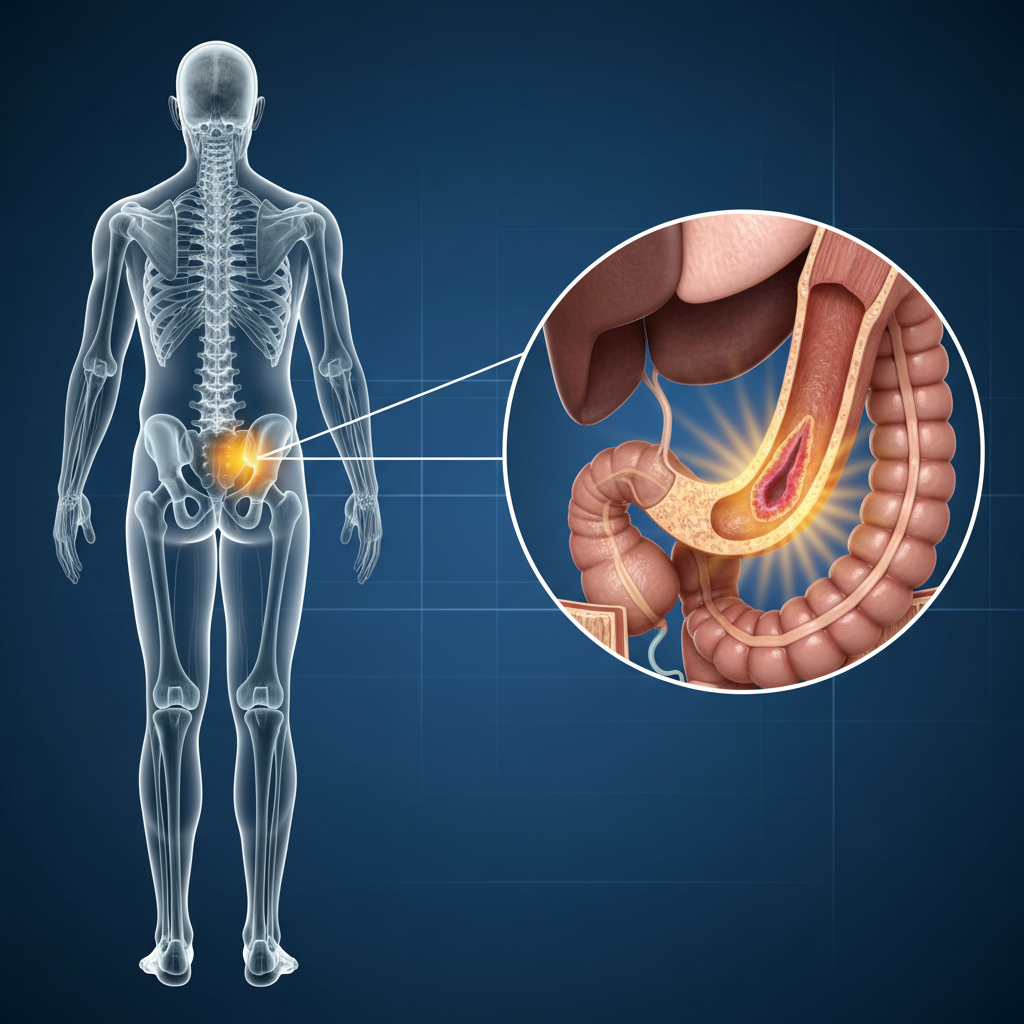
Symptoms & Causes
Many people notice pain during bowel movements, especially with stool passage, along with bright red bleeding on toilet paper or in the bowl. Some may also see a tiny tear near the anal opening or develop a nearby skin tag; none of this is unusual, and symptoms often improve with gentle care. The underlying mechanism is that a small, tender tear plus guarding by the anal sphincter creates a cycle of pain that makes future stools feel even more uncomfortable.
Risk Factors
Risk factors include constipation and hard stools, which strain the area; diarrhea can also irritate the lining; being pregnant or postpartum, and having inflammatory bowel disease such as Crohn’s disease, raise the likelihood. Age and a history of anal trauma or prior anorectal surgery can contribute as well, but the condition can affect adults of many ages.
Table of Contents
When to seek care for anal fissures
For most people, an anal fissure is not a medical emergency and does not usually require urgent care. Acute fissures commonly improve with simple home measures within a few weeks, including adequate hydration, a high-fiber diet, gentle cleansing, and avoiding straining during bowel movements. Pain and bleeding during bowel movements tend to lessen as stools soften and the tear heals.
However, you should seek medical advice if pain is severe or persistent, if there is bleeding that lasts beyond a couple of weeks, or if you develop fever, increasing pain, swelling, or signs of infection. You should also see a clinician sooner if you are pregnant, have inflammatory bowel disease, a history of anal trauma, or if a fissure lasts more than 6-8 weeks despite homecare, as these scenarios raise the possibility of a chronic fissure that may require medical treatment—such as prescription creams, specialized stool softeners, or a procedure like a lateral internal sphincterotomy in select cases. In most people, addressing triggers—more fiber, fluids, and regular, gentle bathroom habits—greatly improves healing odds. The good news is that with appropriate care, many fissures heal, and symptoms fade over time.
Anal fissure lookalikes: other causes of anal pain
Anal fissure symptoms can overlap with several other common anorectal conditions, so a precise diagnosis often requires a clinician’s exam rather than assuming a tear is the sole cause. Pain with bowel movements and bright red bleeding, for example, are not unique to fissures and can also occur with Hemorrhoids, skin irritations, or infections near the opening. Understanding that overlap helps you approach care calmly rather than fixating on a single label.
Common mimics
Hemorrhoids are a frequent stand in for fissures because they sit at the same general area and can bleed during wiping. They often cause itching, fullness, or a lump that can prolapse, which contrasts with the sharp, localized pain typical of fissures. Dermatitis or skin irritation from soaps, moisture, or irritants can produce itching and a burned sensation around the anal opening that may be mistaken for a fissure. Infections or inflammatory conditions like proctitis or Crohn’s disease can lead to pain, discharge, or ulcers around the area, which require different treatment. A fistula, an abnormal channel from the anal canal to the skin, may drain and cause persistent discomfort that isn’t typical for a simple fissure. Less commonly, a small anorectal cancers can present with pain or bleeding and should be ruled out if symptoms are unusual or progressive.
How your clinician sorts it out matters. A physical exam, sometimes accompanied by a gentle anoscopy or proctoscopy, can differentiate a fissure from hemorrhoids, dermatitis, or a fistula. They may ask about stool habits, bowel movements, and associated symptoms; in some cases, imaging or lab tests are used if infection, inflammatory bowel disease, or malignancy is a concern. If symptoms are typical of a fissure with roughly the expected healing course under conservative care, a clinician may still monitor for red flags that would suggest a different diagnosis.
What to do now: if you’re unsure whether your symptoms fit a simple fissure, keep a note of when pain occurs, whether bleeding occurs with hard stools, and any itching or discharge. Seek care if there is fever, increasing pain, swelling, persistent bleeding beyond a couple of weeks, a new lump, or weight loss. In pregnancy or immune compromise, or if you have inflammatory bowel disease, prompt evaluation is wise because treatments may differ and early management can prevent complications.
How anal fissures unfold in the body
When an anal fissure forms, the lining of the anal canal develops a small tear that exposes sensitive tissue. This tiny wound is painful because the surrounding sphincter muscle tightens in response to pain, making stools feel harder and movements more uncomfortable. The cycle—tear, guarding muscle, and more pain—can prolong healing if stool consistency isn’t softened and the area isn’t kept clean and calm. Over time, the body can repair the tear, especially with strategies that reduce strain and inflammation, but the exact pace depends on what’s happening with the stool, hydration, and underlying conditions.
Stages and types of anal fissures
Anal fissures are commonly categorized by how long they’ve been present (stages) and by their appearance or cause (types). This helps guide treatment choices from simple home care to procedures for stubborn cases.
Stages
- Acute fissure — a new tear (typically <6 weeks) with sharp, severe pain but usually rapid healing with simple measures.
- Chronic fissure — persists beyond about 6-8 weeks; edges may be hardened, and a sentinel skin tag can appear; healing is slower and may need medical treatment.
- Recurrent fissure — fissures that flare again after healing, often tied to ongoing triggers like constipation or diarrhea.
Types
- Simple/primary fissure — the typical, isolated tear caused by strain or trauma; most patients recover with conservative care.
- Complex fissure — associated with underlying conditions such as inflammatory bowel disease, Crohn’s disease, or repeated infections; may require more specialized management.
- Sentinel fissure with skin tag — a chronic sign where a skin tag forms at the fissure edge, indicating long-standing disease and potential healing barriers.
Early relief steps: practical care for anal fissures
Start with immediate, practical steps to ease symptoms today: soften stools, reduce anal strain, and protect the tear after every bowel movement. Aim for a daily pattern that supports regular, gentle bowel movements by increasing fluids to about 6-8 cups (1.5-2 liters) and adding soluble fiber from foods like oats, fruits, vegetables, and whole grains, or a bulk-forming supplement such as psyllium husk if your diet lacks fiber. Do not push or delay urges; going when you feel the need helps minimize tearing and pain.
Daily care and comfort measures
Take a warm sitz bath for 10-15 minutes after bowel movements and at a couple of other times daily to relax the anal sphincter and wash away irritants. After cleansing, pat the area dry gently and apply a thin barrier layer, such as petrolatum or a bland, fragrance-free barrier ointment, to protect the tear and reduce discomfort. Wear loose, breathable cotton underwear and choose soft, nonirritating fabrics; avoid tight clothing that rubs the area. Use mild, unscented wipes or plain water for cleaning, and avoid harsh soaps, alcohol-based products, or vigorous scrubbing which can irritate the skin around the opening.
Consider a stool-softening strategy with safe options such as a bulk-forming laxative like psyllium husk or a gentle osmotic laxative if advised by a clinician. Avoid stimulant laxatives unless prescribed. Maintain good anal hygiene and keep the area dry; some people find a skin tag at bedtime helps overnight healing by reducing moisture and irritation.
Know when to seek medical advice soon: If symptoms persist beyond 6-8 weeks despite diligent home care, or if you notice fever, increasing redness, swelling, or pus around the site, persistent bright red bleeding, severe or worsening pain, or a history of inflammatory bowel disease, schedule an evaluation. A clinician can confirm the diagnosis, tailor medications to your situation, and discuss options that may be needed if simple care isn’t enough to break the cycle of pain.
Escalation care for persistent anal fissures
When fissures don’t respond to home care or become chronic, escalation to professional evaluation is appropriate. Severe or persistent cases may require advanced diagnostics, targeted medical therapy, or even surgical options to break the cycle of pain and promote healing.
Diagnostics
A clinician will perform a physical examination and may use anoscopy or proctoscopy to assess the fissure and rule out other causes of anal pain. Additional tests may be considered if there are red flags or signs suggesting inflammatory bowel disease, infection, or other anorectal conditions. In some cases, anorectal manometry to measure sphincter tone or imaging studies may be used to inform treatment planning. The goal of diagnostics is to confirm the fissure, identify contributing factors such as continence issues or chronic constipation, and exclude conditions that would require alternate management.
Non-invasive medical therapies
Before moving to surgery, several non-invasive options aim to reduce pain, promote healing, and soften stools. These include prescription topical vasodilators, such as nitroglycerin ointment or calcium channel blocker creams (eg, diltiazem or nifedipine) used under medical guidance to relax the anal sphincter; oral stool softeners and fiber supplements to keep stools soft; adequate hydration; regular, gentle bowel habits without straining; sitz baths; barrier creams or ointments to protect the tear; and, when appropriate, pelvic floor physical therapy or biofeedback to address any pelvic floor dysfunction. It is important to use these therapies under supervision to monitor effectiveness and side effects such as headaches from vasodilators or skin irritation from topicals.
- Topical vasodilators (nitroglycerin or calcium channel blocker creams) to relax the sphincter and improve healing.
- Oral stool softeners and dietary fiber to keep stools soft and easier to pass.
- Regular hydration and a high-fiber diet to minimize hard stools and straining.
- Sitz baths and gentle anal hygiene to reduce irritation and discomfort.
- Barrier protection with bland, fragrance-free creams to shield the tear.
- Pelvic floor physical therapy or biofeedback when pelvic floor dysfunction is suspected.
Surgical/interventional options
If medical therapy fails to heal within weeks to months, or if the fissure is chronic or associated with complex features, surgical or procedural interventions may be considered. These options aim to reduce resting anal sphincter pressure, promote tissue healing, and limit recurrence, while balancing continence risks.
4 Surgical treatments for persistent anal fissures
- Lateral internal sphincterotomy (LIS) — a small cut in the internal anal sphincter to decrease resting pressure and allow healing.
- Fissurectomy with mucosal advancement flap — removal of the fissure followed by covering the defect with a healthy mucosal flap to promote closure.
- Dorsal mucosal advancement flap — a flap-based repair from the dorsal aspect to seal the fissure and restore mucosal continuity.
- Partial internal sphincterotomy — a more limited sphincterotomy tailored to the case to reduce pressure while preserving continence.
Recovery after these procedures varies by technique but commonly involves a period of stool softening, careful wound care, and gradual return to normal activities. All surgeries carry some risk of bleeding, infection, and, less commonly, changes in continence. The choice of intervention depends on fissure characteristics, patient anatomy, prior treatments, and surgeon experience.
It is important to recognize that escalation to specialist input, typically from a colorectal surgeon or a gastroenterologist with proctology expertise, can provide personalized assessment and a clear plan. The goal is to relieve pain, restore comfortable bowel movements, and promote durable healing while minimizing risks. In the next section, clinicians and their role in managing anal fissures are explained to help you prepare for what comes next.
What to expect at a clinic visit for anal fissures
A clinical visit for an anal fissure typically begins with a focused conversation and a careful exam to confirm the diagnosis, understand the severity, and rule out other causes of anal pain or bleeding. The clinician will ask detailed questions about when symptoms began, how stools look, whether pain or bleeding occurs with bowel movements, and any factors that might be triggering irritation, such as constipation, diarrhea, or childbirth. They will also review medical history, prior fissures, infections, inflammatory bowel disease, medications, and any pelvic floor symptoms. This helps determine whether the fissure is acute, chronic, or recurrent and guides the next steps in care.
During the visit, clinicians assess several factors to determine stage and appropriate management, including duration of symptoms, pain pattern, stool consistency, recent pregnancy or childbirth history, prior fissures, and any associated conditions such as inflammatory bowel disease or infections. They also check for signs of complications like swelling, abscess, fever, or tissue involvement.
- Key history questions
- Onset and duration of pain and bleeding
- Stool consistency and bowel habit changes
- Trigger events (hard stools, straining, diarrhea, lifting, childbirth)
- Past fissures or anorectal surgeries
- Associated symptoms (fever, discharge, weight loss)
- Known inflammatory bowel disease, immune status, or infections
- Physical examination and bedside testing
- External inspection of the perianal area for tears, skin tags, dermatitis, or signs of infection
- Digital rectal examination (DRE) to assess tenderness and sphincter tone, performed with care to minimize discomfort
- Visual inspection with gentle anoscopy or proctoscopy if appropriate and tolerated to view the fissure directly
- Diagnostic testing and when they’re used
- Anorectal manometry to measure sphincter pressure, typically reserved for persistent cases or continence concerns
- Endoanal ultrasound to evaluate sphincter integrity or complex fistulas
- Imaging (e.g., MRI pelvis) if inflammatory bowel disease, Crohn’s disease, or complex anorectal disease is suspected
- Laboratory tests if redness, fever, or systemic symptoms suggest infection or inflammatory disease
- Biopsy or culture only if a lesion appears atypical or does not look like a typical fissure
- Severity and red flags considered during assessment
- Persistent severe pain despite initial treatment
- Bleeding lasting more than a few weeks or with new or worsening features
- Signs of infection, such as increasing redness, swelling, pus, or fever
- History of inflammatory bowel disease or immune compromise
- Pain with continence concerns or suspected complex anorectal pathology
The results of these assessments inform whether supportive care, medical therapy, or more specialized interventions are appropriate. The clinician will summarize findings, discuss likely diagnoses, and outline a clear plan with follow-up to monitor healing and adjust treatment as needed.
Next Steps by Severity: Self-Care, Medical Help, or Urgent Action
This final decision map helps you choose your next steps based on how your fissure is behaving now. Use it to decide if you can continue self care, should seek medical advice, or need urgent care. If your situation changes, revisit this guide and contact a clinician as needed.
- Mild, improving with home care
- Continue your current self care plan: fluids, fiber, stool softeners if advised; gentle cleansing and sitz baths; barrier creams to protect the tear; avoid straining.
- Track symptoms such as pain level, bleeding, stool form, and frequency. If you notice steady improvement within 2-4 weeks, continue and plan a follow up with your clinician.
- Return for medical advice if no improvement after 6-8 weeks or if red flags appear such as fever, increasing redness or swelling, pus, or worsening pain.
- Persistent or recurrent fissure not healing with home care
- Schedule a clinician visit within 1-2 weeks for evaluation and possible medical therapy such as topical vasodilators, stool softeners, and dietary adjustments.
- The clinician may discuss non invasive options and, if needed, refer to pelvic floor therapy or discuss surgical options like LIS if appropriate.
- Continue supportive care while awaiting evaluation; maintain hydration and stool softness.
- Urgent or concerning signs require immediate care
- Severe, worsening pain; fever or spreading redness; increasing swelling or discharge; heavy or persistent bleeding; inability to have a bowel movement.
- Pregnant, immunocompromised, or suspected inflammatory bowel disease or infection warrants urgent assessment.
- Go to urgent care or the emergency department promptly. Bring a symptom summary and any medications you have tried.
Across all scenarios, stay in touch with your clinician. The goal is to relieve pain, soften stools, protect the tear, and restore regular, comfortable bowel movements.