
Thrombosed hemorrhoids: a stubborn bump you feel all day
Estimates hemorrhoid disease prevalence in pregnant women up to 35 percent.
That phrase Thrombosed hemorrhoids: a stubborn bump you feel all day might sound like clickbait, but it’s a relatable, everyday annoyance with a pragmatic punchline. It’s the kind of thing that sticks with you—from the moment you sit to the moment you stand—yet it’s very common and usually manageable with sensible care. If you’re reading this, you’re not alone; millions of adults wrestle with hemorrhoids at some point in life, and a thrombosed one is something clinicians see regularly. This isn’t a crisis—just a stubborn bump that can be eased with steady, gentle care.
In plain terms, thrombosed hemorrhoids are swollen veins in and around the anus that have developed a clot inside. The result is a firm, sometimes bluish lump you can feel or see just outside the anal opening. It can be painful when you sit, bend, or wipe, and you might notice itching or a little bleeding on toilet tissue. This description helps you understand what’s happening, but it’s not a diagnosis—only a clinician can confirm the exact cause and guide you toward relief.
What are Thrombosed Hemorrhoids?
In plain terms, thrombosed hemorrhoids are swollen veins in and around the anus that have formed a clot inside. The result is a firm, sometimes bluish lump you can feel or see at the margin of the anus. External thrombosed hemorrhoids tend to be the most noticeable, appearing as a tender bump that might look purple or blue and hurt when you sit or move. The underlying issue is a clogged vein swelling with a clot, which makes the sensation more intense than a regular hemorrhoid flare.
Beyond the initial discomfort, the course is usually manageable with gentle self-care. Many people notice gradual improvement over a few days to a couple of weeks, especially with stool-softening diets, warm sitz baths, and avoiding prolonged sitting. If pain is severe, if there’s significant bleeding, or if symptoms last longer than a week or two, a healthcare professional can assess and discuss options, including potential procedures in rare cases. The aim is relief, not alarm—your body is doing its best to heal, and a clinician can help you ride out the rough patch with clear guidance.
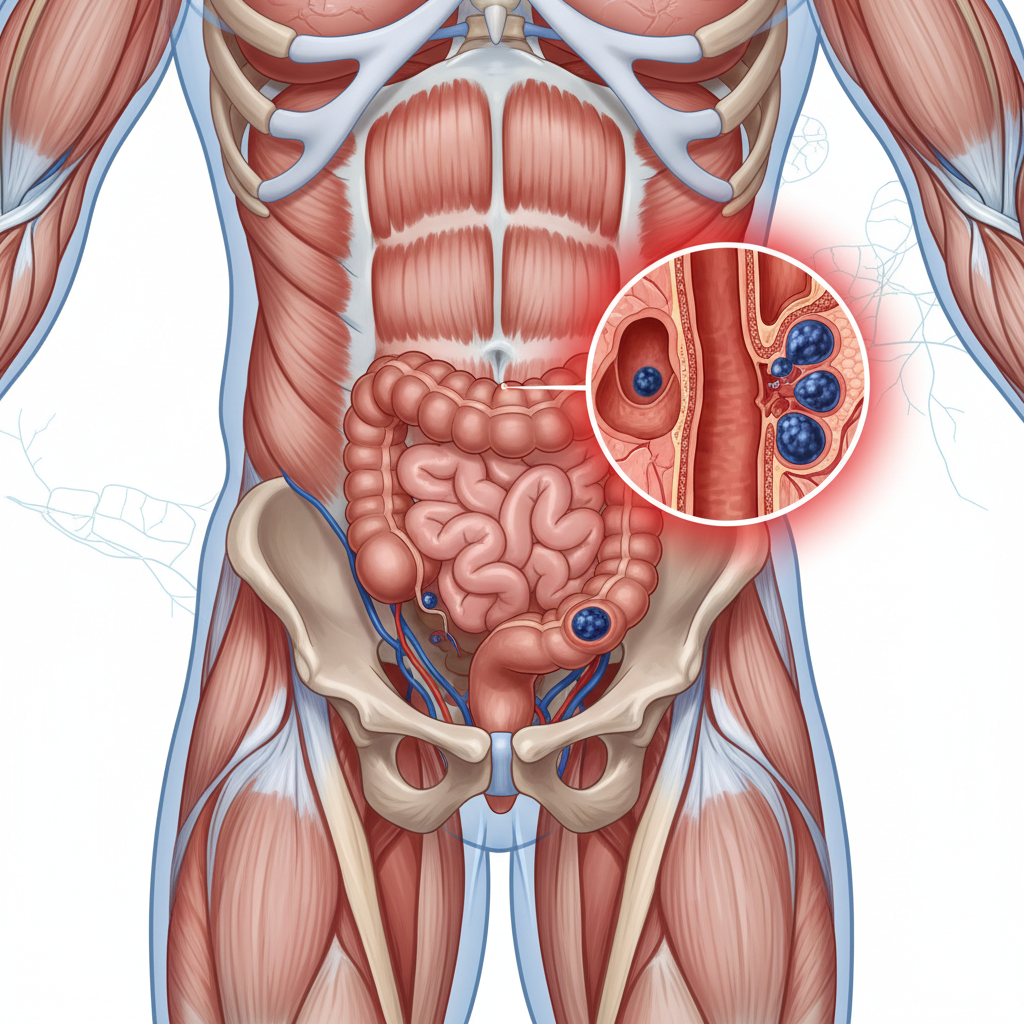
Symptoms & Causes
People often notice a painful lump at the anal opening, along with swelling and sometimes bright red blood on toilet paper. The area may feel tender, and sitting or movement can worsen the discomfort. This cluster of symptoms comes from a clot forming inside a swollen anal vein, which intensifies pressure and pain.
Risk Factors
Though anyone can develop thrombosed hemorrhoids, certain factors make it more likely. Common risk factors include constipation, straining during bowel movements, pregnancy, and aging tissues. These factors can increase pressure on the veins around the rectal area, which over time can contribute to vein swelling and clot formation. The good news is that awareness and simple lifestyle adjustments can lower risk and ease symptoms.
Table of Contents
What really warrants concern with a thrombosed hemorrhoid?
In most cases, a thrombosed hemorrhoid is not a medical emergency and does not indicate a serious illness. The swelling and clot typically improve with simple, conservative care over several days to a couple of weeks.
Seek medical attention sooner if you experience severe or worsening pain, significant or recurrent bleeding, a lump that becomes large or hard, fever, or if symptoms last more than a week or two. Also contact a clinician if you have trouble passing stool, if you have known bleeding disorders, or if you are pregnant and the pain is persistent despite self-care.
When you visit a clinician, the goal is to confirm the diagnosis and rule out other issues while discussing treatment options. Most people can manage symptoms at home with diet changes to soften stools, plenty of fluids, and gentle measures such as warm sitz baths and topical analgesics. Avoid prolonged sitting, heavy lifting, or straining during bowel movements.
In some cases, especially with a particularly painful external thrombosed hemorrhoid that started recently (typically within 72 hours), a clinician may offer a minor in‑office procedure to remove the clot, which can provide rapid relief. For persistent or recurrent symptoms or complicated cases, other treatments such as hemorrhoid removal procedures may be considered. The vast majority of thrombosed hemorrhoids heal with time and do not lead to long-term complications.
Could another anorectal issue mimic this thrombosed hemorrhoid?
It’s common for the symptoms of a thrombosed hemorrhoid to overlap with other anorectal conditions. A painful lump can also appear with Anal fissures, skin tags, perianal infections, or irritated skin around the opening. Because these issues can look and feel similar, a clinician typically confirms the diagnosis by exam, asking about onset, stool form, bowel habits, and any fever. In practice, this means not assuming it’s a clot without ruling out other causes.
Common mimics and how they differ
Anal fissures produce sharp, burning pain during and after a bowel movement and often show a small tear or skin tag; swelling may be modest, but the pain can feel more intense with each pass of stool. A perianal abscess usually presents with more pronounced swelling, throbbing pain, warmth, and sometimes fever; a lump may be tender and may drain pus if not treated. Rectal prolapse involves visible tissue protruding from the anal opening, which is distinct from a superficial lump. Skin irritation or dermatitis around the anus can cause itching and redness without a firm lump or the same pattern of pain.
When to seek medical evaluation
Seek medical care if you have severe or increasing pain, significant or recurrent bleeding, a lump that grows larger or feels hard, fever, or symptoms that persist beyond a week or two. A clinician may perform an exam and, if needed, propose treatments to differentiate a thrombosed hemorrhoid from its mimics and to discuss appropriate care—such as diet changes, sitz baths, topical therapies, or procedures if necessary.
What thrombosed hemorrhoids do to your body
When a thrombosed hemorrhoid forms, a clot develops inside a swollen vein at the margin of the anus. The immediate effect is a firm, tender lump that you can feel just outside or at the anal opening. The clot traps blood and raises pressure in the surrounding tissue, which triggers sharp pain that worsens with sitting, movement, or wiping. Local inflammation brings swelling, warmth, and heightened sensitivity. You may notice bright red blood on toilet tissue. Over the next days to weeks, the body slowly reabsorbs the clot and the swelling subsides, often leaving only mild tenderness or a small skin tag. Most people recover with basic self-care such as softening stools, staying hydrated, regular gentle hygiene, and warm sitz baths; severe or persistent pain or heavy bleeding should be evaluated by a clinician. In a minority of cases, a clinician may remove the clot in the office for rapid relief, but this is not always necessary and not a sign of a dangerous problem.
Thrombosed hemorrhoids come in different forms and go through phases as they heal, which can affect symptoms and treatment options.
Quick relief steps for a stubborn thrombosed hemorrhoid
Start with practical, at‑home steps for immediate relief and to keep irritation from getting worse. fiber supplement for stool softening (psyllium), and a routine of regular meals. Sit less or use a cushioned, supportive seat to relieve pressure, avoid straining, and wear breathable underwear. If pain is severe, if you notice heavy bleeding, or if symptoms last more than a week or two, see a clinician promptly; in some cases, a clinician may discuss minor in‑office procedures or other treatments if symptoms persist.
- Sitz baths: 10–15 minutes in warm water several times daily and after bowel movements.
- Gentle cleansing: Use water or unscented wipes; pat dry instead of rubbing.
- Stool-softening strategies: Increase fluids to 2–3 liters daily unless restricted; add a soluble fiber supplement (psyllium) as advised by a clinician.
- Reduce pressure: Avoid prolonged sitting; use a cushioned seat or a doughnut cushion when sitting.
- Cold for swelling: Apply a cold compress wrapped in cloth for 5–10 minutes a few times daily, especially if swelling is pronounced.
- Topical aids: Use only products recommended by a clinician to relieve pain or itching; avoid applying irritants directly to the skin.
- Hygiene and irritation avoidance: Avoid scented soaps and rough toilet paper; rinse with water after bowel movements.
Next steps: Keep an eye on symptoms. If you need more than self‑care, or if you are pregnant, have known bleeding disorders, or have a lump that is increasing in size or pain, seek medical attention promptly. A clinician can confirm the diagnosis and discuss options, including non‑surgical measures and, if necessary, minor procedures in the office or planning for surgical treatment in the rare long‑term cases.
Escalation: when thrombosed hemorrhoids require professional care
Severe or persistent cases may outgrow home care, and escalation to professional evaluation becomes the prudent next step. If pain remains intense, there is ongoing or heavy bleeding, or the lump lasts more than a couple of weeks, a clinician can confirm the diagnosis and tailor a plan to your situation.
Diagnostics and evaluation
During an assessment, a clinician will visually inspect the perianal area and perform a digital rectal exam to feel the clot and assess the surrounding tissue. Depending on symptoms and age, they may use an anoscope to examine internal hemorrhoids and rule out other conditions such as fissures, abscesses, or prolapse. The clinician will ask about onset, stool form, bowel habits, prior episodes, and any red flags such as fever, heavy or recurrent bleeding, or unintended weight loss. This information helps confirm thrombosis and differentiate it from mimics.
Non-invasive and office-based options
In many cases, non-surgical management remains effective, especially when the clot is recent. In-office thrombectomy (clot removal) can provide rapid relief by evacuating the clot. Other non-invasive measures include continuing stool softeners, staying hydrated, Sitz baths, gentle hygiene, and using topical analgesics or soothing creams as advised. A clinician may combine these measures with ongoing lifestyle adjustments such as increased fiber intake and adequate fluids. If symptoms recur or there are large external hemorrhoids, a plan may be adjusted to include additional measures or scheduling for surgical options if needed.
Surgical interventions
When symptoms persist, recur, or are severe, surgical options may be discussed. The following procedures are commonly considered in appropriate cases:
- In-office thrombectomy (clot removal) to rapidly relieve pain from an external clot, typically performed within the first 72 hours when feasible.
- Conventional hemorrhoidectomy (open or closed) to remove troublesome external hemorrhoids or multiple hemorrhoids that do not respond to conservative care.
- Stapled hemorrhoidopexy for internal hemorrhoids with prolapse, an option when internal hemorrhoids contribute to ongoing symptoms or bleeding and other treatments have not provided relief.
- Excisional skin tag removal around the anal margin to improve comfort and healing when a persistent skin tag causes irritation after healing.
What to expect at a clinic visit for thrombosed hemorrhoids
A clinic visit for thrombosed hemorrhoids starts with a focused history and a physical exam to confirm the diagnosis, assess how severe the situation is, and plan appropriate care. The clinician will explain what is happening, discuss options based on your stage, and set realistic expectations for recovery and follow‑up.
Tests, exams, and questions you may encounter include:
- Physical examination:
- Visual inspection of the perianal area to assess the external lump, color changes, and skin irritation.
- Digital rectal examination to feel the clot, examine surrounding tissue, and check sphincter function.
- Anoscopy or proctoscopy to view internal hemorrhoids and rule out fissures, abscesses, prolapse, or other conditions.
- Symptom and history questions:
- Onset and duration of the lump, intensity of pain, and what makes it better or worse.
- Bleeding: presence, amount, color, and pattern with bowel movements or wiping.
- Stool form and bowel habits, recent constipation or diarrhoea, and any straining.
- Medical history relevant to hemorrhoids, clotting disorders, pregnancy, medications that affect bleeding, and prior episodes.
- Red flags: fever, persistent weight loss, severe or recurrent bleeding, or symptoms suggesting infection.
- When tests are used:
- Laboratory tests are not routine for straightforward thrombosed hemorrhoids but may be ordered if infection, systemic illness, or another diagnosis is suspected.
- Imaging is not typically needed for a simple thrombosis but may be used if symptoms raise suspicion for other conditions.
- Treatment planning:
- Based on the timing and severity, discussions may cover conservative care (hydration, stool softeners, sitz baths, topical analgesics) or the option of an in‑office thrombectomy when suitable and timely.
- For persistent or recurrent symptoms, a clinician may discuss longer‑term management or referral for minor procedures or surgical options if needed.
Throughout the visit, the clinician will tailor advice to your stage (acute, subacute, or resolving) and to your overall health, pregnancy status if relevant, and preferences for treatment, with follow‑up instructions and warning signs to watch for.
Next steps for thrombosed hemorrhoids: home care or clinic care
This is the final decision step: use these practical guidelines to decide what to do next based on how your thrombosed hemorrhoid is behaving and your situation. Start with home care if symptoms are mild and recent, escalate to medical care if they persist, worsen, or you have red flags, and seek urgent care if there are signs of a serious problem.
- Go with home care now (mild, recent onset): Continue stool softening, hydration, regular meals with fiber, sitz baths 10–15 minutes several times daily (especially after bowel movements), gentle hygiene, avoid straining and prolonged sitting, and avoid irritants. Monitor the lump—if it improves within 3–7 days, continue; if not improving after 1–2 weeks, or if pain worsens, contact a clinician.
- Schedule a clinic visit (persistent or bothersome symptoms): If the lump remains painful beyond a few days, if bleeding recurs or persists, or if the lump grows or feels hard, arrange a visit to confirm the diagnosis and discuss non‑surgical options (in‑office clot removal) or plan for longer‑term management.
- Urgent care now (severe symptoms or red flags): Seek urgent evaluation if you have severe, unrelenting pain; heavy or ongoing bleeding; fever or signs of infection; a lump that rapidly enlarges; or symptoms that started in pregnancy and are not improving with home care. If you cannot control bleeding or you feel faint, go to the nearest emergency department.
- Special situations (pregnancy or known bleeding disorders): Talk with your clinician about tailored care, as pregnancy and clotting disorders may change the safe options and timelines for procedures, and some treatments may be adjusted accordingly.
- What to expect at a clinic visit: A clinician will perform a focused exam to confirm the diagnosis, rule out mimics, and discuss options such as continuing conservative care or a minor in‑office procedure if appropriate; follow‑up plans and warning signs will be provided.