
Internal Hemorrhoids: It’s inside me and it’s mad!
about 5 percent of Americans have hemorrhoids.
Sometimes the body hosts uninvited guests, and right now mine seems to be a tiny, impatient comedian whispering from inside the rectum—yes, Internal Hemorrhoids exist, and the headline inside your head probably wants to scream something dramatic. The good news is that you are not alone. This is a surprisingly common, very human nuisance that tends to pop up at the most inconvenient moments: during a meeting you can’t escape, in a grocery line that moves at the speed of dial-up, or after a spicy takeout night that forgot to invite the fiber back to the party. People joke about it because acknowledging it makes the moment less awkward, and because most cases are manageable with practical steps. There’s comfort in numbers: many adults experience some hemorrhoidal symptoms at some point in life, and healthcare professionals see this far more often than the punchline suggests. A quick reminder: while this piece helps explain things, a proper physician is the only person who can confirm a diagnosis and tailor a plan that fits your body.
Symptoms & Causes
Symptoms often include bleeding with wiping or after a bowel movement, a sensation of fullness, and a protrusion or lump you can feel near the anus when irritated, plus itching or a dull discomfort in the area. These symptoms arise because internal hemorrhoids are swollen cushions of tissue inside the rectum that can become irritated or inflamed as stool moves along. If you notice bright red blood on toilet paper or a soft lump you can touch around the anal opening, that can indicate irritation and is a signal to seek medical advice; but the overall picture is usually not dangerous and is often manageable with simple changes. The underlying mechanism is that these swollen cushions stretch and bleed when stressed during bowel movements, which explains the sensations you’re feeling.
Risk Factors
People at higher risk include those with constipation or straining during stools, those who are pregnant or have recently given birth, and those who are aging or have a lifestyle that keeps them seated for long stretches. These factors can stretch and irritate the rectal veins, increasing the likelihood of internal hemorrhoids without implying fault.
Table of Contents
When to Seek Help for Internal Hemorrhoids
Most internal hemorrhoids do not signal a medical emergency and are not typically a cause for alarm. In most cases they are manageable with simple self-care steps and routine medical oversight, and they tend to improve with time and basic changes to bowel habits and diet.
However, you should not ignore symptoms that linger or worsen. If you notice persistent bright red bleeding after a bowel movement, blood on toilet paper, a new protrusion you can feel, or a sense of ongoing fullness or pain, these signals warrant medical evaluation to confirm the diagnosis and rule out other conditions.
Self-care measures can help many people keep symptoms under control. A fiber-rich diet with adequate fluids, staying hydrated, and avoiding straining or delaying urges can reduce irritation. Regular physical activity, gentle bowel routines, and using stool softeners if advised by a clinician can also help. If hemorrhoids are irritated, topical treatments prescribed by a clinician may provide relief while you work on the underlying factors.
Medical options exist for cases that don’t improve with home care or are bothersome. A clinician may discuss procedures such as rubber band ligation or other non-surgical treatments, depending on the location and severity of the hemorrhoids. In some situations, persistent symptoms or complications may require more definitive management. If you are pregnant or recently postpartum, or have certain chronic conditions, your care plan will be tailored to your situation, so discuss your symptoms with a healthcare provider to get personalized guidance.
Other conditions that mimic internal hemorrhoids
Symptoms that resemble internal hemorrhoids can overlap with several other conditions, so it’s normal to pause and consider what else might be going on.
Common mimics to watch for
Anal fissures cause intense sharp pain during bowel movements and can bleed, sometimes confusing the picture with hemorrhoids. Inflammatory bowel diseases like Crohn’s disease or ulcerative colitis can produce persistent changes in stool, cramps, and sometimes blood, which may feel similar when the bleeding is bright red or occurs with wiping.
Rectal prolapse, polyps, infections, or even skin conditions around the anus can create sensations of fullness, lumps, or itching that might be mistaken for hemorrhoids. Less commonly, more serious conditions such as colorectal cancer can present with rectal bleeding or a change in bowel habits, especially in older adults. These scenarios emphasize the importance of evaluation when symptoms are new, persistent, or accompanied by systemic signs like weight loss or fatigue.
To clarify what’s happening, clinicians typically start with a physical exam and may use visualization tools such as a digital rectal exam, anoscopy, or flexible sigmoidoscopy/colonoscopy if indicated. Keeping notes about stool type, bleeding pattern, timing, and associated symptoms can help your clinician differentiate between conditions and tailor the plan.
Inside the Rectum: How Internal Hemorrhoids Work
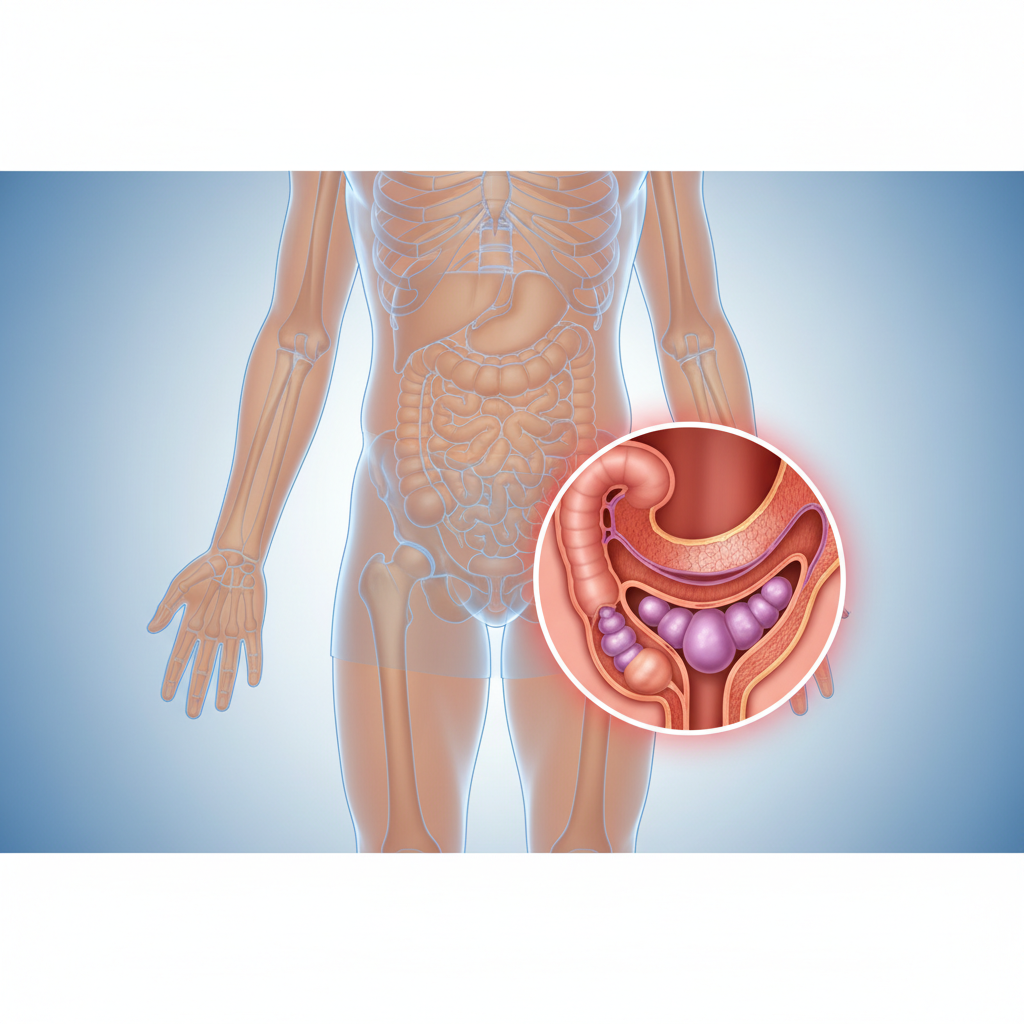
Inside your body, internal hemorrhoids are cushions of tissue and blood vessels lining the upper part of the anal canal. When stool moves through, especially with constipation or straining, these cushions can swell, become irritated, and bleed a little; you may feel pressure, fullness, or mild discomfort. The bleeding is usually bright red and occurs with wiping or after a bowel movement. This is the body’s normal vascular response to stool transit and friction, not an emergency in most cases, but it signals that bowel habits could use some adjustments.
In many people, internal hemorrhoids sit high inside the rectum, above the pain-sensitive nerves, so they may not cause sharp pain unless they prolapse or become irritated. The underlying mechanism is simple: prolonged stool transit or hard stools stretch the rectal veins, leading to swelling, potential minimal bleeding, and the sense of fullness or pressure you notice during or after a bowel movement. With proper care—hydration, fiber, and avoiding straining—these cushions can settle down as the bowel rhythm normalizes.
The following grades describe what you might notice and guide treatment decisions.
Swift, non-invasive relief for internal hemorrhoids
Take action now with gentle, practical steps that protect your comfort and keep stool movements smooth. Prioritize hydration, add soluble fiber, and don’t force bowel movements. A warm sitz bath for 10 to 15 minutes a day can soothe irritated tissue, and keeping the anal area clean and dry helps reduce itching. Wear loose, breathable clothing and use fragrance-free wipes or soft toilet paper to minimize irritation. These steps are accessible and can provide quick relief while you arrange medical input.
- Hydration and fiber: Fiber-rich intake and dietary fiber from fruits, vegetables, whole grains, and consider a fiber supplement if your intake is low. Drink water consistently to help stools stay soft and easier to pass.
- Bowel habits: Don’t delay urges, avoid prolonged straining on the toilet, and try to establish a regular routine (for example, after meals). If constipation is a recurrent issue, discuss safe stool softeners or laxatives with your clinician.
- Sitz baths and hygiene: Soak in a warm sitz bath for 10–15 minutes as symptoms flare, then pat the area dry. Use fragrance-free wipes and avoid rubbing; gentle cleansing reduces irritation.
- Topical relief: Over-the-counter products labeled for hemorrhoids (such as hydrocortisone creams or medicated wipes) can reduce itching and swelling temporarily. Follow product directions and avoid long-term use without medical advice.
- Protection and movement: Use a soft cushion or donut pillow when sitting, take short walks to improve circulation, and avoid sitting for long periods to relieve pressure on the rectal veins.
- Avoid irritants: Minimize foods or drinks that seem to worsen symptoms (spicy foods, caffeine, alcohol, and highly processed foods). Keep a simple diary to identify triggers and adjust accordingly.
Important reminder: these home measures help many people manage mild symptoms, but they are not a substitute for medical evaluation. If you notice heavy or ongoing bleeding, severe pain, a lump that cannot be reduced, fever, or symptoms that persist or worsen for more than a couple of weeks, seek medical care promptly. A clinician can confirm the diagnosis and discuss non-surgical options such as rubber band ligation, sclerotherapy, or other non-surgical treatments. If necessary, persistent symptoms or complications may lead to surgical considerations, which your doctor can explain in the context of your overall health and pregnancy status if applicable.
Escalating care for persistent internal hemorrhoids
Severe or persistent cases may require advanced care beyond self-care. When symptoms linger or worsen despite careful diet, hydration, and gentle routines, evaluation by a clinician is warranted to prevent complications and tailor treatment to your situation.
Diagnostics and assessment
A clinician will review your history and perform a physical examination, including a digital rectal exam, and may use visualization tools such as anoscopy or flexible sigmoidoscopy to visualize the inside of the rectum. In some cases, colonoscopy may be recommended to exclude other causes of bleeding, particularly in adults over 40 or with certain risk factors. The goal is to confirm the diagnosis, assess the degree of prolapse, and rule out other conditions such as fissures, infections, polyps, or cancer.
Non-invasive approaches in persistent cases
Even when symptoms persist, many non-surgical options can still be effective depending on the anatomy and severity. These may include repeated or staged non-surgical procedures such as rubber band ligation, sclerotherapy, or other non-surgical methods, chosen based on the prolapse level and patient factors. Ongoing bowel management with fiber, hydration, and stool softening remains a cornerstone, and topical therapies or short courses of anti-inflammatory medications may provide symptom relief while the underlying factors are addressed.
In addition, formal evaluation may include guidance on lifestyle adjustments, nutrition, and physical activity to reduce pressure on the rectal veins. A clinician can tailor a plan that blends non-invasive methods with careful monitoring before considering more invasive options.
5 Surgical options for persistent internal hemorrhoids
- Rubber band ligation: A quick outpatient procedure that cuts off the blood supply to hemorrhoids, causing them to wither away over days to weeks.
- Infrared coagulation: A heat-based method to scar and shrink the hemorrhoidal tissue, typically done in a clinic setting.
- Sclerotherapy: Injection of a sclerosant solution to shrink the hemorrhoid and seal off blood vessels.
- Hemorrhoidectomy: Surgical removal of the hemorrhoidal tissue, performed as open or closed technique depending on the case and surgeon preference.
- Stapled hemorrhoidopexy: A procedure that repositions hemorrhoids and reduces prolapse using a stapling device.
These options are discussed in the context of your overall health, the grade of hemorrhoids, and whether prolapse is present. A clinician will review risks, recovery times, and the chances of symptom relief with each approach. If you are pregnant or postpartum, or have other chronic conditions, the plan will be adjusted to fit your situation and ensure safety.
What to expect at the clinic when diagnosing internal hemorrhoids
A clinical visit for suspected internal hemorrhoids typically begins with history-taking and a careful examination to confirm the diagnosis and gauge severity. You’ll be asked about when symptoms started, how often they occur, the amount and color of any bleeding, whether you feel a prolapsing lump, stool consistency, and what makes symptoms better or worse. They may also review medications, diet, hydration, pregnancy status, and any prior treatments or similar episodes. This helps differentiate hemorrhoids from other causes of rectal bleeding and guides the plan.
What to expect in the exam and tests:
- Digital rectal examination (DRE): A clinician uses a gloved finger to check the tone of the anal sphincter, feel for masses or tenderness, and assess possible prolapse that might not be visible.
- External visual inspection: The area around the anus is inspected for fissures, skin irritation, infections, or skin tags that could mimic hemorrhoid symptoms.
- Anoscopy or proctoscopy: A small, lighted instrument is used to visualize the inside of the anal canal and upper rectum to identify internal hemorrhoids, prolapse, or other lesions.
- Flexible sigmoidoscopy or colonoscopy (as indicated): If you are older or have risk factors, or if bleeding is persistent or recurrent, a scope may be recommended to look at more of the colon and rule out other causes such as polyps, inflammatory disease, or cancer.
- Stool tests and blood work: Tests for occult blood in stool or fecal immunochemical test (FIT) may be used if bleeding is present. A CBC can check for anemia if there’s significant or ongoing bleeding.
- Additional considerations for pregnancy or chronic conditions: In pregnant or postpartum individuals, or those with certain conditions, the clinician will tailor the approach to minimize risk and ensure safety during evaluation and treatment planning.
Grade and planning: based on the findings, the clinician will note the prolapse status and assign a grade (I–IV) to guide treatment decisions. You’ll receive an explanation of the likely causes, the expected course, and a discussion of options—from lifestyle modifications and topical therapies to non-surgical interventions or referrals for surgical evaluation if needed. The clinician may also outline a follow-up plan to monitor symptoms and adjust the plan as your bowel habits and overall health change.
Internal Hemorrhoids Decision Path: When to Self-Care or Seek Help
This is the final decision step: use what you’re experiencing to decide your next move with confidence, not anxiety. The goal is to keep you comfortable, protect your health, and avoid unnecessary delays.
Consider these practical paths based on how your symptoms present:
- Mild symptoms—self-care and observation: You may have occasional bright red bleeding after a bowel movement, a sense of fullness, or mild irritation, with no significant pain or prolapse. If you are not pregnant or postpartum, you can usually manage with the self-care steps described in this article and monitor for changes. Give it 2–3 weeks of consistent self-care; if symptoms improve, continue your maintenance habits.
- Persistent or bothersome symptoms—seek medical advice within a few weeks: If symptoms linger beyond 2 weeks, worsen, or you notice a prolapsing lump, heavier bleeding, increasing itching, or pain that interferes with daily activities, schedule an appointment for evaluation. A clinician can confirm the diagnosis, assess the grade, and discuss non-surgical options or referrals as appropriate.
- Urgent or emergency signs—seek urgent care immediately: If you have heavy bleeding that won’t stop, dizziness, fainting, pale skin, a racing heart, severe sharp pain, fever with rectal symptoms, or a lump that cannot be reduced, call emergency services or go to the nearest emergency department. These signs require prompt assessment to rule out other conditions and start appropriate treatment.
- Special situations—pregnancy, postpartum, or chronic conditions: If you are pregnant, recently postpartum, or have a chronic condition, discuss the plan with your clinician first. Your care may be adjusted for safety and to align with your stage of pregnancy or healing.
Remember: many cases are managed with simple measures and regular follow-up. If you feel unsure, reach out sooner rather than later to clarify the diagnosis and options. You don’t have to navigate this alone; the right plan can fit your body and your life.