
Hemorrhoids or Piles: a rear that just won’t sit
about 5% of Americans have hemorrhoids
Hemorrhoids or Piles: a rear that just won’t sit is a phrase many readers know all too well. It’s not a badge of bad hygiene or personal failure; it’s a common, treatable condition that many people prefer to pretend won’t happen to them—until it does. If you’ve shifted in your seat with a quiet groan or found yourself avoiding certain positions, you’re in the club, and yes, the club has a well-lit doctor’s office and a sensible seat cushion.
Estimates vary, but hemorrhoids are incredibly common. By mid-life, up to half of adults report experiencing hemorrhoids at least once, and many go through life without realizing it because symptoms are mild or transient. The good news is that most cases are not dangerous, and symptoms often improve with simple care, so you don’t have to treat the condition like an emergency room mystery.
In plain terms, hemorrhoids are swollen veins in the rectal lining or surrounding skin. They develop when the veins in that area swell and protrude due to pressure from straining, gravity, or tissue changes that age with you. The result is the familiar mix of discomfort and a sense that something isn’t right in that quiet corner of your body.
Understanding how the condition arises helps you approach care calmly. Most hemorrhoids arise from a combination of factors—straining during bowel movements, sitting for long periods, pregnancy-related pressure, or routine constipation that makes you push hard enough to affect those delicate vessels. The body’s response is normal, albeit annoying, and can be managed with lifestyle tweaks and over-the-counter options unless symptoms persist or worsen, in which case a doctor’s evaluation is wise.
With that grounding, this piece will walk you through practical, evidence-based steps to ease symptoms and improve comfort without drama. You’ll learn what to expect, what tends to help, and when to seek medical advice, all in plain language that respects your time and your privacy.
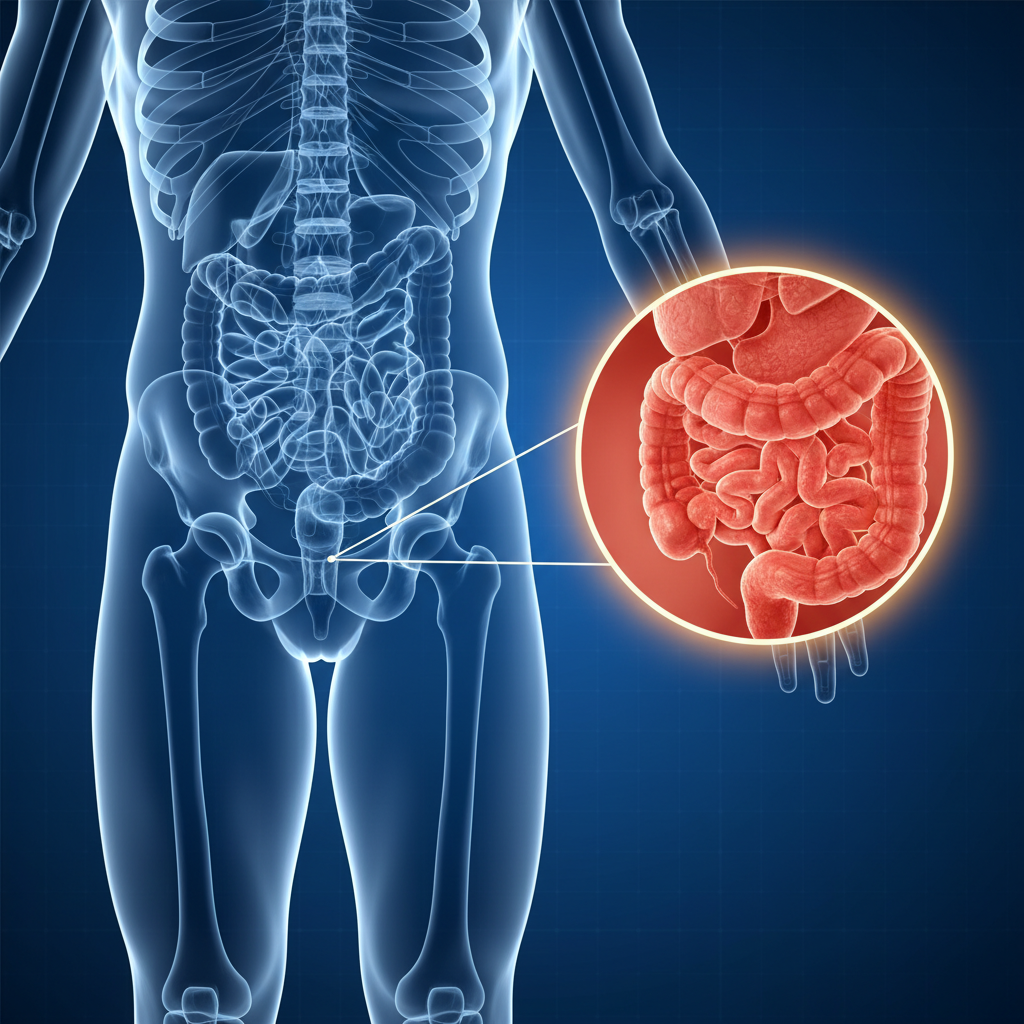
Symptoms & Causes
Many people notice bleeding after a bowel movement, plus persistent itching or irritation and a visible bulge near the anus. These symptoms arise because swollen veins and surrounding tissue respond to strain and inflammation, signaling a local issue that’s usually treatable.
Risk Factors
Risk factors include older age, pregnancy, a tendency toward chronic constipation or diarrhea, and a family history. These factors don’t guarantee trouble, but they increase pressure on the rectal veins or tissues, making hemorrhoids more likely to flare up.
Table of Contents
When hemorrhoids flare, should you worry?
In most cases, hemorrhoids do not require urgent medical care. They are common, usually not dangerous, and symptoms often improve with simple self-care and over-the-counter treatments within days to a few weeks.
When to seek medical advice
See a clinician if you have heavy rectal bleeding, bleeding that lasts, a large or persistent lump, severe pain, symptoms that persist beyond a few weeks despite self-care, fever, or unexplained weight loss. These could indicate other conditions or complications that require evaluation and treatment.
What you can do at home
To ease symptoms, increase dietary fiber and fluids, avoid straining during bowel movements, consider stool softeners if advised by your clinician, and take warm sitz baths for 10-15 minutes several times a day. Use gentle topical treatments for itching or irritation and avoid irritants. Regular physical activity can help prevent constipation and reduce pressure on rectal veins. If you notice changes in bleeding patterns or new symptoms, contact your healthcare provider.
Not just hemorrhoids: other causes to consider
Symptoms can overlap with other conditions in and around the anal area, so it’s not uncommon for people to wonder whether what they feel is truly hemorrhoids or something else. A careful look at pain, timing, bleeding, and sensation helps narrow it down, and seeking an evaluation is wise if there’s any doubt.
Common mimics to consider
Anal fissures often cause sharp, burning pain with bowel movements and bright red blood on the toilet paper or the stool, rather than a soft, bulging lump. They can occur with hard stools or after diarrhea and may be mistaken for hemorrhoidal irritation.
Anal abscess or infection presents with painful swelling, warmth, sometimes fever, and a tender lump. It tends to worsen quickly and requires prompt medical care to drain or treat infection.
Rectal prolapse or protrusion of rectal tissue can look like a bulge and may appear during straining or physical activity. It’s usually easier to notice when you stand up or push gently, and it has a different feel than a hemorrhoid.
Other conditions such as inflammatory bowel disease, colorectal polyps or cancer, skin conditions, or infections can cause bleeding, itching, or pain in the area. These conditions may come with other signs like unintended weight loss, fatigue, or changes in bowel habits, and they require medical evaluation to rule out serious disease.
If symptoms are unclear or persistent, a clinician may perform a physical exam, digital rectal exam, or specialized tests such as anoscopy or colonoscopy to determine the cause and appropriate treatment. Even when hemorrhoids are present, a professional check can confirm there isn’t a more serious issue and can guide management so you don’t miss something important.
Seek urgent care if you have heavy, bright red bleeding, severe, increasing pain, fever, or a lump that cannot be reduced, as these could signal a condition requiring urgent treatment rather than self-care.
Inside your body: how hemorrhoids form and flare
Inside the rectal lining, Internal hemorrhoids sit above the dentate line, while external hemorrhoids sit under the skin around the anus. Because of their location, internal hemorrhoids tend to bleed more easily, while external hemorrhoids are more prone to pain and irritation when swollen. The progression can be gradual, with stages of prolapse or persistent lump, but many cases improve with simple lifestyle changes and over-the-counter measures.
Types and stages of hemorrhoids
There are two main categories—internal and external—each with its own progression or subtypes. Understanding these can help you track what you’re experiencing and what to discuss with a clinician.
Internal hemorrhoids
- First-degree: bleed but do not prolapse; stay within the rectal canal, usually mild and often noticed by blood on toilet tissue.
- Second-degree: prolapse during straining or defecation but reduce spontaneously on their own.
- Third-degree: prolapse that requires manual reduction to return inside the anus.
- Fourth-degree: prolapsed and cannot be reduced; the tissue remains outside the anus and may require urgent care.
External hemorrhoids
- Non-thrombosed external hemorrhoids: swelling around the anus under the skin, typically less painful unless irritated.
- Thrombosed external hemorrhoids: a clot forms in the veins, causing a hard, very painful lump that may look blue or purple.
Practical at-home steps to calm hemorrhoids now
If you’re experiencing hemorrhoid discomfort right now, start with a warm sitz bath for 10 to 15 minutes, then pat dry gently and avoid rubbing. A cold pack or ice wrapped in a thin cloth applied for 10 to 15 minutes can help reduce swelling, followed by a light, nonirritating topical care as directed. Pair these steps with minimizing time spent sitting and with small, regular walks to ease pressure on the rectal veins.
At-home care steps
- Take a warm sitz bath (10–15 minutes) several times daily, especially after bowel movements, to soothe irritated tissue.
- Apply a cold pack for 10–15 minutes to reduce swelling, then switch to warmth as needed for comfort.
- Keep stools soft and regular by increasing dietary fiber from fruits, vegetables, and whole grains and drinking plenty of fluids.
- Avoid straining or prolonged sitting; use a small footstool to position your feet for easier elimination and take breaks to move around.
- Hygiene: cleanse the area gently after bowel movements with unscented wipes or a damp cloth; avoid harsh soaps and rubbing.
- Use OTC hemorrhoid creams, ointments, or suppositories as directed, and discontinue if you develop irritation or rash or if symptoms worsen.
- Engage in regular, moderate exercise like walking or swimming to support bowel regularity and reduce pelvic pressure.
- Discuss with a clinician about stool softeners, pelvic floor exercises, or non-surgical office procedures if symptoms persist beyond a few weeks.
These self-care steps help many people find relief, but if you do not notice improvement after a few weeks, or if you experience heavy bleeding, severe pain, fever, or a lump you cannot reduce, seek medical evaluation. A clinician can assess for other conditions and may offer non-surgical options such as in-office procedures or prescription therapies before considering surgery in severe cases.
Escalation: when hemorrhoids require professional evaluation
In more persistent or larger hemorrhoids, self-care alone may not be enough, and that’s a signal to seek professional evaluation. If symptoms continue for several weeks, or if you notice heavy bleeding, a lump you cannot reduce, or increasing pain, a clinician will assess what’s going on and tailor treatment to your situation.
Diagnostics and evaluation
Doctors will start with your history and a physical exam, including a digital rectal exam, and may perform anoscopy or proctoscopy to visualize the hemorrhoids. In many settings, colon cancer screening guidelines mean some patients may undergo colonoscopy or sigmoidoscopy to rule out other causes of bleeding, especially if symptoms are new or persistent, or if you’re in an age group where screening is recommended. The aim is to confirm the diagnosis and to determine the extent of prolapse and whether additional conditions are present that would change management.
Non-invasive and office-based approaches
Non-surgical options can still help many people. Office-based procedures include rubber band ligation, sclerosant therapy, and infrared coagulation, usually performed with the patient awake and comfortable. These methods aim to reduce/close off hemorrhoidal tissue or shrink it through scarring while preserving continence. Lifelong changes to bowel habits, continued fiber and fluids, and activity remain important to prevent recurrence. If symptoms persist or recur, your clinician may propose repeat sessions or progress to other options, including surgical management if needed.
4 Surgical treatments for hemorrhoids
- Open hemorrhoidectomy: surgical removal of the affected hemorrhoidal tissue through an incision, typically used for large or prolapsed hemorrhoids and may involve longer recovery.
- Closed hemorrhoidectomy: removal with suturing to close the wound, which can reduce postoperative pain in many patients.
- Stapled hemorrhoidopexy (stapled hemorrhoidectomy): reshaping and lifting prolapsing hemorrhoids with a circular stapler, often with less postoperative pain but not suitable for all hemorrhoid types.
- Transanal hemorrhoidal dearterialization (THD) or Doppler-guided ligation: targeted artery ligation to reduce blood flow, sometimes combined with other procedures for persistent prolapse.
All surgical options carry different risks, recovery times, and impacts on continence. Your surgeon will discuss goals, expectations, and whether a concomitant procedure is appropriate. Afterward, follow-up care and lifestyle adjustments help protect outcomes. If needed, the next section will explain the clinicians who guide you through these decisions and treatments.
What to expect at a hemorrhoids diagnostic visit
A clinical visit for hemorrhoids typically starts with a calm, private conversation about what you’re feeling, how long it’s been going on, whether you notice bleeding, itching, or prolapse, and how your bowel habits have behaved lately. The clinician will review your medical history, current medications, and factors such as pregnancy, constipation, or prolonged sitting. The goal is to confirm hemorrhoids, determine their severity, and rule out other conditions that can mimic hemorrhoidal problems. Depending on your stage and symptoms, the tests and exams chosen will be tailored to your situation.
- Questions your clinician may ask
- When did the symptoms begin, and how have they progressed?
- Do you see bright red blood with bowel movements? Is there pain or a lump you can feel?
- Are you experiencing constipation, diarrhea, or changes in bowel habits?
- Have you been pregnant recently or are you currently pregnant?
- Do you have a history of hemorrhoids, anal fissures, infections, or colorectal conditions?
- What happens during the physical exam
- External examination of the area around the anus to look for visible hemorrhoids, skin irritation, or skin tags.
- Digital rectal examination (DRE) to assess tone, feel for lumps, and check for internal hemorrhoids or other causes of pain.
- Anoscopy or proctoscopy in many settings to visualize internal hemorrhoids that lie inside the rectal canal.
- Assessment of prolapse: determining whether tissue protrudes with or without straining and whether it reduces on its own.
- Tests and procedures that may be used
- Colorectal visualization tests: Anoscopy or proctoscopy to view internal hemorrhoids; flexible sigmoidoscopy or colonoscopy if there is new or persistent bleeding, if symptoms are unusual for hemorrhoids, or if you are in an age group where colorectal cancer screening is recommended.
- Lab tests: A complete blood count (CBC) may be ordered if there is heavy or prolonged bleeding to check for anemia; stool tests for occult blood may be used in some cases to help assess bleeding sources.
- Other considerations: If infection, fissures, abscess, or other anorectal conditions are suspected, targeted tests or referrals to specialists may be arranged.
- How the visit may vary by stage or symptoms
- Early or mild hemorrhoids with bleeding but no prolapse may be diagnosed mainly through history and a simple exam, with treatment focused on symptom relief and conservative management.
- With prolapse or persistent symptoms, the clinician may perform anoscopy/proctoscopy and discuss staging to guide treatment choices, from office-based therapies to surgical options if needed.
- In cases with significant bleeding, fever, severe pain, or weight loss, the evaluation may be more urgent and comprehensive to rule out other conditions.
Decide your next steps: mild, persistent, or severe hemorrhoids
This is the final decision step: use your current symptoms to choose the appropriate level of care. The map below helps you decide quickly what to do next and what to expect from care.
- Mild or occasional symptoms (self-care likely enough): If you have mild itching or occasional light bleeding without prolapse, you can start or continue self-care measures: increase fiber and fluids, avoid straining, take a gentle sitz bath, and use over-the-counter hemorrhoid products as directed. Watch for changes: if symptoms persist beyond 2–3 weeks, worsen, or you develop severe pain, persistent bleeding, fever, or a lump you cannot reduce, seek medical evaluation.
- Persistent or recurrent symptoms: If symptoms last more than a few weeks or frequently flare up, arrange a visit with your clinician to confirm hemorrhoids and discuss non-surgical treatments (office-based procedures, prescription therapies) or adjustments to bowel habits and lifestyle. You may undergo evaluation to rule out other conditions if not previously done.
- Urgent symptoms require prompt care: If you experience heavy bright red bleeding that doesn’t stop, severe increasing pain, a lump you cannot reduce back inside, fever, or signs of infection, go to an urgent care or emergency department. If possible, call ahead to inform them you suspect hemorrhoids and provide any information about other conditions or medications. Do not delay care in the presence of these red flags.
After any care, maintain preventive steps: fiber-rich foods, fluids, regular physical activity, and consistent bowel habits. Schedule follow-up with your clinician to monitor symptoms, adjust treatment plans if needed, and reinforce strategies to reduce recurrence.